
Source: AVMA
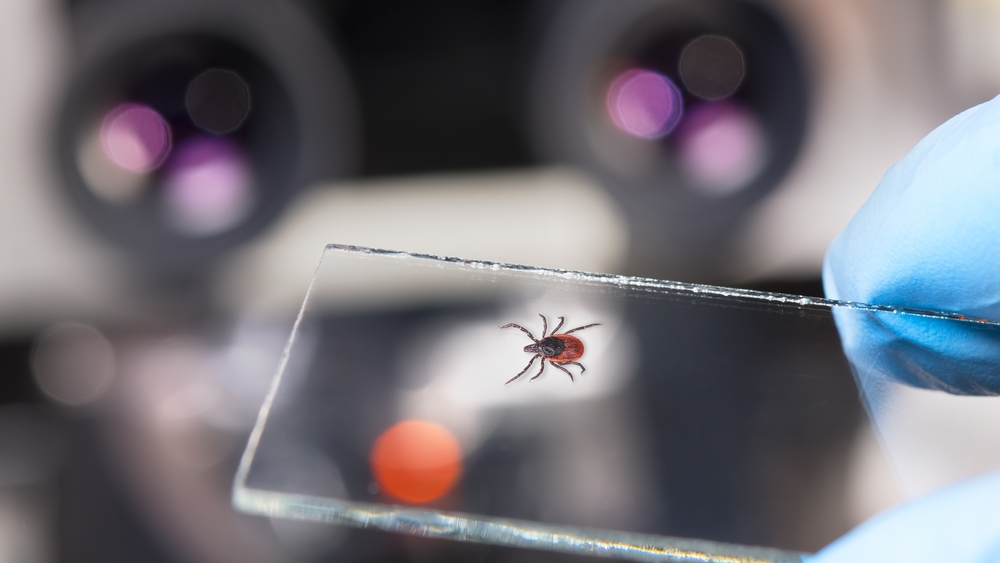
Lyme disease, caused by Borrelia burgdorferi bacteria and transmitted by blacklegged ticks, affects both humans and animals, including dogs, cats, and horses. While most infected dogs show no symptoms, 5–10% develop signs like intermittent lameness, fever, swollen joints, or in severe cases, Lyme nephritis—a kidney condition that can be fatal. Diagnosis is challenging, as symptoms often appear 2–5 months post-infection and resemble other illnesses.
Blood tests can confirm exposure but not necessarily illness. Treatment typically involves a 30-day antibiotic course, though not all infected dogs require medication. Prevention is key: use tick preventatives, avoid tick-heavy areas, check pets regularly, and consult your vet about Lyme vaccinations, especially in high-risk regions. Ticks must feed for 24–48 hours to transmit the bacteria, so early removal is critical. Though Lyme disease isn’t directly contagious between pets and people, shared environments mean shared risk, underscoring the importance of tick control for the whole household.
Read the full story HERE: https://www.avma.org/resources-tools/pet-owners/petcare/lyme-disease-dogs