
Source: AAHA
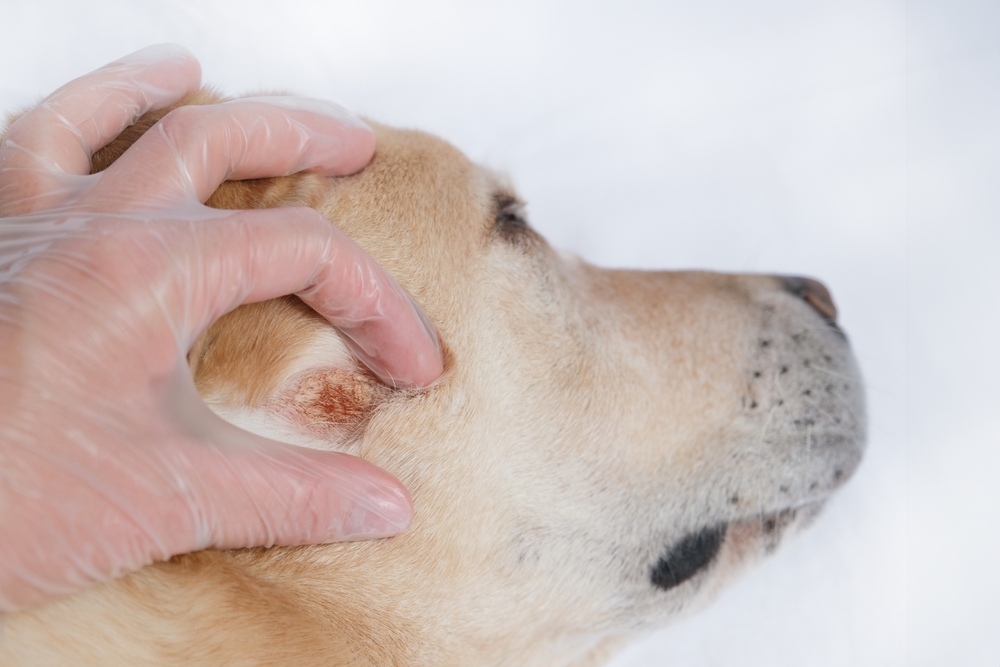
Canine atopic dermatitis (CAD) is closely linked to significant behavioral changes in dogs, according to a growing body of Veterinary research. Chronic itching and inflammation don’t just cause physical discomfort; they can drive anxiety, irritability, aggression, sleep disruption, and reduced trainability. Studies show that as pruritus worsens, behaviors such as fear responses, touch sensitivity, and even abnormal repetitive behaviors like excessive licking or chewing often increase. Experts emphasize that these behaviors are usually symptoms of underlying skin disease rather than primary behavioral disorders.
Neuroinflammatory pathways, pain–itch overlap, and chronic stress create a self-reinforcing cycle that affects both physical and emotional well-being. Because these changes may develop gradually, caregivers often fail to connect behavior problems with dermatologic disease until treatment begins and improvement becomes obvious. Veterinary specialists stress early dermatologic evaluation, integrated behavioral support, and caregiver education. An interdisciplinary approach—addressing inflammation, pain, and learned coping behaviors together—offers the best outcomes for affected dogs and their families, improving quality of life and long-term welfare.