
Source: STAT News
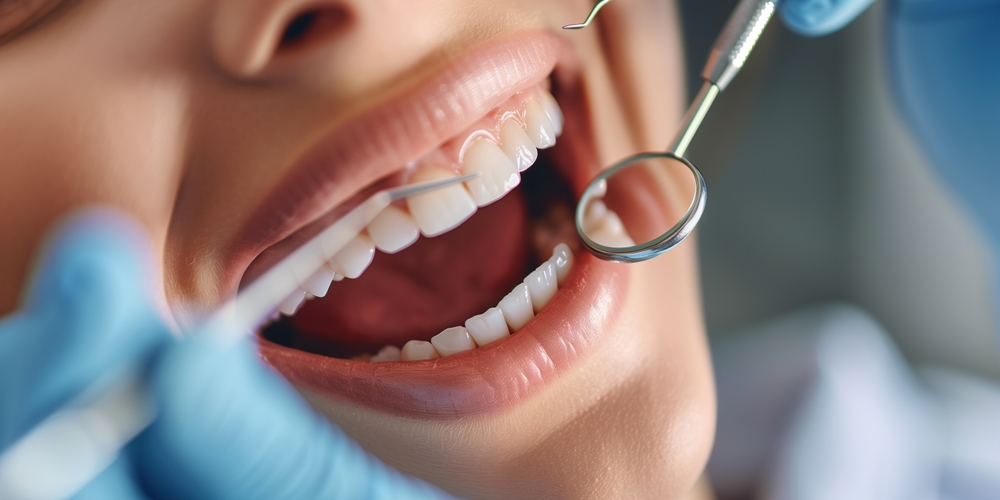
Dentists across the United States are increasingly using therapy dogs to help reduce dental anxiety, a common fear that leads many patients to delay or avoid care. Drawing on personal experience and scientific research, physician Henry I. Miller describes how interacting with calm, trained dogs during dental visits can lower blood pressure, heart rate, and self-reported anxiety. Studies from Loma Linda University School of Dentistry and findings published in the Animals show that therapy dogs improve patient comfort, make procedures smoother, and may reduce the need for sedation.
The effect is linked to the “biophilia effect,” where human–animal interaction increases oxytocin and reduces stress hormones. Dentists also report benefits for staff morale and clinic atmosphere, as seen in programs at the University of Colorado School of Dental Medicine. With proper training, hygiene protocols, and disclosure to patients, therapy dogs are emerging as a cost-effective tool with potential public health benefits by encouraging regular dental care.
Read the full story HERE: https://www.statnews.com/2026/01/28/dental-anxiety-eased-by-therapy-dogs/