
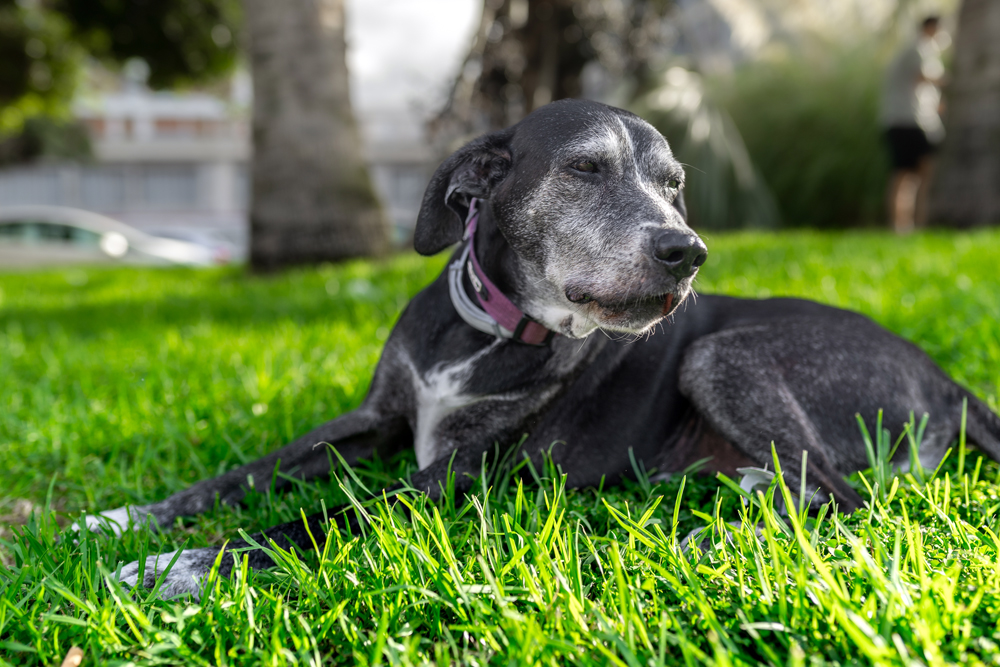
Geriatric pet health news is becoming essential as more dogs and cats live well into their senior years. Owners want clear updates they can act on, therefore this topic has moved into the mainstream. Veterinary teams also benefit because informed clients notice changes sooner. As a result, conversations about comfort, mobility, and chronic disease start earlier.
In addition, the Animal Health industry continues to deliver new tools for senior care. Better diagnostics, improved nutrition, and refined pain control change what is possible. However, information overload can confuse families. That is why well framed geriatric pet health news matters for practical decisions.
Why Geriatric Pet Health News Matters
Veterinary medicine treats aging as a predictable life stage with unique risks. geriatric pet health news helps owners understand that risk before problems become emergencies. However, many senior issues begin quietly, with subtle shifts in behavior. Therefore, owners need regular reminders about what to watch for. Changes in sleep, appetite, and interest in play can signal discomfort. Consequently, early awareness often leads to earlier evaluation and gentler treatment. In addition, seniors may have multiple conditions at once. That complexity requires clear explanations so families do not feel overwhelmed.
The Animal Health landscape also changes rapidly, which influences care options for older pets. geriatric pet health news keeps clinics and families aligned on current standards. Moreover, it normalizes preventive monitoring for seniors. Routine blood work, urine testing, and blood pressure checks become more accepted. As a result, chronic disease is detected earlier and managed longer. Owners also learn realistic goals for comfort and function. Therefore, care decisions feel purposeful instead of reactive.
The Conditions Most Often In The Headlines
Arthritis and mobility decline dominate many conversations about senior pets. geriatric pet health news often explains how pain looks different in animals. However, pets may not cry out or limp until pain is advanced. Therefore, owners are taught to notice hesitation, stiffness, or changes on stairs. In addition, weight gain can worsen joint strain. Consequently, clinics emphasize weight management and daily movement. Skin and dental disease also rise with age, and they influence systemic health. As a result, routine oral evaluation stays important for seniors.
Kidney disease, heart disease, and endocrine disorders also appear frequently in senior updates. geriatric pet health news highlights early warning signs such as increased thirst or coughing. However, similar signs can have many causes. Therefore, diagnostics guide treatment decisions. In addition, cognitive dysfunction has become more recognized. Disorientation and nighttime restlessness may signal brain aging. Consequently, families learn that support options exist, including behavior plans and medical management.
Diagnostics And Screening In Geriatric Pet Health News
Diagnostic innovation is a steady theme in geriatric pet health news because early detection changes outcomes. Senior wellness exams often include baseline lab testing to track trends over time. However, a single normal test does not guarantee future stability. Therefore, repeat screening supports earlier intervention. Imaging also plays a larger role in older pets. Radiographs and ultrasound can reveal hidden disease without invasive procedures. As a result, treatment can begin before severe decline.
Veterinary teams also use screening to tailor care to each pet, not just the calendar age. geriatric pet health news helps owners understand that aging speed varies widely. Moreover, it encourages owners to share detailed observations from home. That information improves interpretation of test results. In addition, screening supports safer anesthesia planning when procedures are needed. Consequently, seniors can still receive dental care or mass removal with proper preparation. Better screening builds confidence for both clinicians and families.
Nutrition And Lifestyle Updates For Senior Pets
Nutrition guidance appears often because diet supports nearly every senior condition. geriatric pet health news explains why older pets may need fewer calories but higher quality nutrients. However, many owners keep feeding routines unchanged for years. Therefore, weight gain and muscle loss can occur together. In addition, targeted nutrition may support kidney function, heart health, and joint comfort. Consequently, Veterinary guidance can shift from general food to therapeutic diets.
Lifestyle guidance also matters because movement and enrichment protect function. geriatric pet health news frequently promotes gentle activity that fits the pet’s ability. Moreover, home adjustments can reduce strain and prevent falls. Rugs, ramps, and stable bedding improve traction and rest. In addition, mental stimulation supports cognition and mood. Short training sessions and scent games can help. Consequently, senior pets stay engaged while owners feel empowered. Nutrition and routine changes work best when reviewed regularly with a Veterinary team.
Pain, Comfort, And Quality Of Life Focus
Pain management has advanced, and geriatric pet health news reflects that shift toward comfort centered care. Older pets may experience chronic pain that affects sleep and social behavior. However, pain can present as irritability or withdrawal. Therefore, owners need guidance on recognizing emotional signs. In addition, multimodal plans are common. Medication, rehab exercises, and environmental changes can work together. Consequently, pets may regain interest in walks and family time.
Quality of life discussions are also more common in geriatric pet health news. These conversations help families plan ahead instead of waiting for crisis. Moreover, they encourage shared goals between owners and Veterinary teams. Comfort, appetite, mobility, and joy become measurable targets. In addition, palliative care options have expanded within the Animal Health field. Consequently, families can prioritize comfort while continuing meaningful routines. Thoughtful planning reduces stress and supports humane decisions when health declines.
What To Watch Next In Senior Animal Health
The next wave of senior care will likely emphasize personalized monitoring and proactive support. geriatric pet health news will continue covering advances in testing and care pathways. However, technology only helps when it guides better daily choices. Therefore, communication between clinics and families will remain central. In addition, rehabilitation services are growing in many communities. More practices are adding therapeutic exercise and mobility support. Consequently, older pets can maintain function longer.
Veterinary teams will also keep refining how they educate owners about aging. geriatric pet health news will highlight practical checklists, coaching, and follow up models. Moreover, client education will focus on early changes, not late symptoms. That shift helps owners act sooner and feel confident. In addition, the Animal Health industry will keep investing in senior nutrition, pain control, and supportive care. Consequently, aging pets will have more options for comfort and longevity, with clearer guidance for families.