

Source: Purdue University Craig Thompson, a clinical associate professor in the Department of Comparative Pathobiology at Purdue University College of Veterinary Medicine, has been elected to the Board of Directors of Viticus Group, formerly known as the Western Veterinary Conference. He was elected during the 2026 WVC Annual Conference in Las Vegas and will serve a five-year […]
read more
Editor
Recent Posts

Source: WKMS Murray State University is moving forward with plans to establish Kentucky’s first Veterinary college after its Board of Regents voted to create a College of Veterinary Medicine. The decision follows January approval of the university’s Doctorate in Veterinary Medicine program by the Kentucky Council on Postsecondary Education. The next major step is securing accreditation from […]
read more
Source: Feedstuffs The U.S. Small Business Administration Office of Inspector General (SBA OIG) and the U.S. Department of Agriculture Office of Inspector General (USDA OIG) have signed a data sharing agreement aimed at strengthening fraud detection and enforcement coordination across federal programs. Announced by Inspectors General William Kirk and John Walk, the agreement is designed to improve information […]
read more
Source: FOX 13 The Polk County Sheriff’s Office arrested 35-year-old Lakeland resident Ashley Wimbrow on multiple charges after investigators say she illegally possessed Xylazine and performed unlicensed Veterinary procedures on dogs. Authorities were alerted when U.S. Customs intercepted a package from India containing 240 grams of the Veterinary sedative, commonly known as “tranq,” addressed to Wimbrow’s home. Detectives say […]
read more
Source: DVM 360 The American College of Veterinary Internal Medicine (ACVIM) has endorsed a new consensus statement on diagnosing and managing canine chronic inflammatory enteropathy (CIE), published January 21, 2026, in the Journal of Veterinary Internal Medicine. The updated guidance reflects advances in understanding chronic gastrointestinal inflammation and recommends a stepwise diagnostic approach based on clinical signs, history, imaging […]
read more
Source: Phys Org A study published in Animal Behaviour by researchers at Eötvös Loránd University and the HUN-REN–ELTE Comparative Ethology Research Group found that dogs behave more like toddlers than cats when it comes to helping humans. The team compared untrained companion dogs, cats and 16–24-month-old children to see whether they would spontaneously help a caregiver locate a hidden […]
read more
Source: All Alabama Several Alabama residents are undergoing treatment after exposure to a rabid rescue cat in Randolph County, according to the Alabama Department of Public Health (ADPH). The cat exposed its owners and staff at a Roanoke Veterinary hospital after being taken in for care multiple times over two weeks. It was euthanized after developing […]
read more
Source: Phys Org UNLV researchers have developed a 3D-printed synthetic California sea lion pelvic region to improve Veterinary care amid ongoing sea lion beachings linked to toxic algae blooms. Published in Scientific Reports, the project recreates both bone and soft tissue using DICOM medical imaging data converted into detailed 3D models. The lifelike pelvis simulates anatomical contours, […]
read more
Source: Action News JAX Pet anxiety appears to be on the rise, alongside growing concern from owners. According to the American Pet Products Association’s 2024 report, use of calming products has surged 168% for dogs and 174% for cats since 2018. Trupanion pet insurance also reported a 93% increase in anxiety-related claims over six years. Retired veterinarian Dr. Richard […]
read more
Source: Cornell Chronicle The College of Veterinary Medicine hosted its Animal Health Hackathon Feb. 20–22, bringing together 116 students from diverse majors to develop business solutions for animal health challenges. Organized by Jorge Colon and Ami Stuart, the event emphasized collaboration, innovation and entrepreneurial skill-building, with participation from four Tuskegee University Veterinary students through a sister program initiative. Three teams earned top […]
read more
Source: Hawaii News Now Hawaii County police have introduced new safety measures to protect their K-9 units following the September death of police dog Archer, who died after being left in a vehicle for an “unacceptable period of time,” according to Police Chief Reed Mahuna. Although the Attorney General’s office declined to file criminal charges against the handler, […]
read more
Source: Health Day A new University of Michigan National Poll on Healthy Aging finds that pets provide strong emotional benefits for older adults, but rising costs are creating financial strain. Among Americans age 50 and older who own pets, 83% say their animals give them a sense of purpose, up from 73% in 2018. Seventy percent report […]
read more
Source: WSFA 12 Tuskegee University’s College of Veterinary Medicine (TUCVM) is celebrating the birth of Coco Chanel, a foal born Feb. 1, the first on campus in many years. Her mother, Dolly, was surrendered by a local resident five years ago and later adopted by the Large Animal Farm/Barn manager. Dolly’s pregnancy was confirmed in 2025, giving veterinary […]
read more
Source: AAHA A case report in Frontiers in Veterinary Science details toxic effects after a 4-year-old Labrador retriever ingested a 60 g tube of 1.5% ruxolitinib (Opzelura®), a human topical Janus kinase (JAK) inhibitor. JAK inhibitors treat inflammatory and autoimmune skin diseases in people but can be highly toxic to pets. The dog consumed approximately 21 mg/kg […]
read more
Source: UC Davis Weill School of Veterinary Medicine Big Chief, a 20-year-old miniature horse owned by Laura and Warren Croyle, underwent life-saving colic surgery at the UC Davis Large Animal Hospital after developing severe abdominal pain. Though he had a history of mild colic, this episode was far more serious and unresponsive to medication. Diagnostic tests revealed unusual […]
read more
Source: The Durango Herald In this heartfelt tribute, Jenny Johnston honors her veterinarian as her true Valentine: someone who shows up in a red truck, rain or shine, day or night, to care for her family’s horses. Over a year marked by emergencies and heartbreak, the vet tirelessly treated injured foals, including an orphan who could not […]
read more
Source: KTUV San Jose Animal Care and Services is warning residents about an online scam using AI-altered images of shelter dogs to falsely claim they are about to be euthanized. The manipulated photos, shared on a Facebook page called “Saving Shelter Dogs From Euthanasia,” have sparked nationwide outrage and flooded the shelter with calls from concerned animal lovers. […]
read more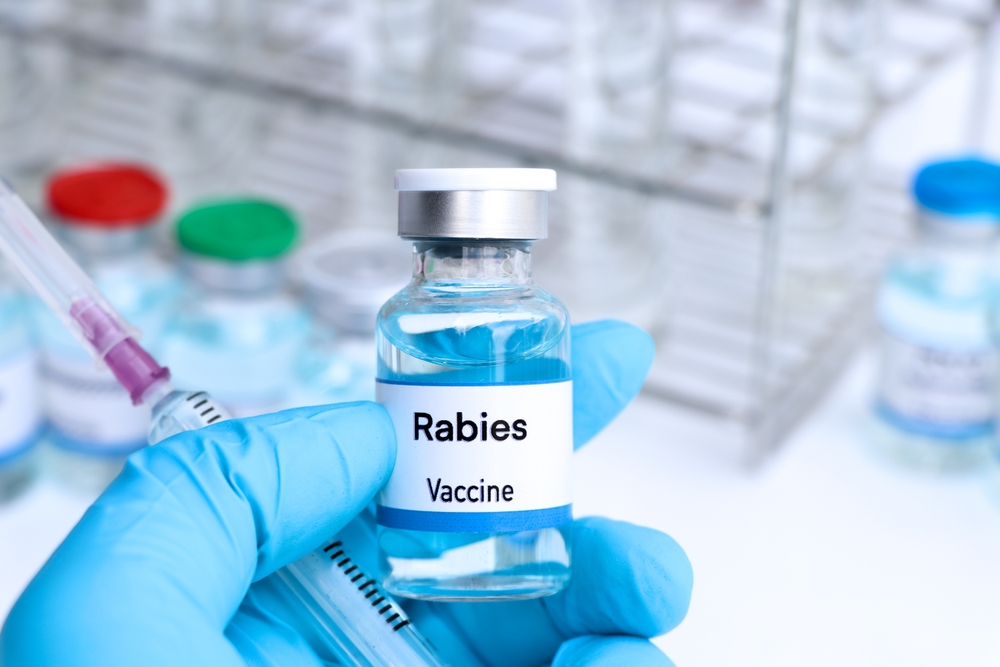
Source: New Hampshire Bulletin New Hampshire lawmakers are considering House Bill 1488, which would allow certain pets to skip required rabies booster shots if owners provide antibody titer test results showing some level of immunity from prior vaccination. Sponsored by Rep. Keith Ammon, the bill was introduced at a constituent’s request over concerns about vaccine side effects and […]
read more
Source: Today’s Veterinary Business Covetrus and MWI Animal Health have agreed to merge, forming a comprehensive animal health platform serving companion, equine, and production animal markets. Under the deal, MWI’s parent company, Cencora, will receive $1.25 billion in cash, $800 million in preferred equity, and $1.45 billion in common equity, valuing MWI at $3.5 billion. Cencora […]
read more
Source: Veterinary Practice News A newly released House Agriculture Committee Farm Bill draft includes the Healthy Dog Importation Act and several Veterinary workforce and animal health provisions, drawing praise from national Veterinary and pet industry groups. The Pet Advocacy Network (PAN) supports the dog importation measure, noting that about one million dogs enter the U.S. each year, with only around 1% […]
read more