
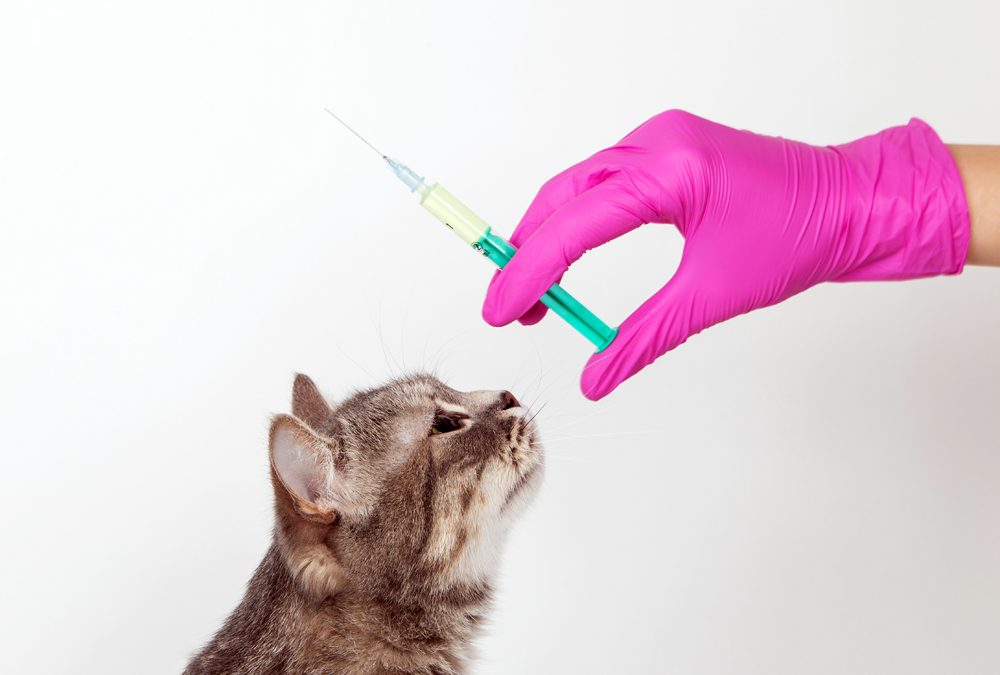
As workplaces evolve, many firms now recognize that employee well-being includes responsibilities beyond traditional wellness categories, and pet vaccination news updates increasingly influence these expectations. Many accounting professionals rely on structured environments, predictable schedules, and supportive policies that recognize real daily obligations. Therefore, when employers understand how pet health trends shape personal routines, they can offer benefits that better align with the needs of a modern workforce.
In addition, firms that respond to these developments often strengthen morale through thoughtful leadership. Many employees view pets as essential companions who contribute to emotional balance, which can influence productivity throughout demanding accounting cycles. Consequently, leaders who remain informed about animal health trends demonstrate responsiveness to today’s workforce values. This awareness can help attract and retain top talent while reinforcing a supportive organizational culture.
Latest Trends In Pet Vaccination News Updates
Ongoing research continues to shift veterinary best practices, and many employers now follow pet vaccination news updates to remain aware of developments that may influence employee behavior. These updates often highlight changes in vaccine availability, preventive care innovations, and evolving disease considerations that affect how pet owners schedule essential appointments. Therefore, accounting leaders who monitor these trends can better anticipate periods when employees may require flexibility and understanding.
In addition, vaccination trends increasingly reflect broader public health priorities that shape expectations for timely care. Many employees want reassurance that their workplace understands commitments tied to responsible pet ownership. Consequently, firms that acknowledge these realities build stronger relationships with staff. Moreover, following animal health developments allows leaders to identify benefit opportunities that demonstrate empathy, which matters significantly in competitive hiring environments. As the accounting industry continues to navigate retention challenges, awareness of these trends offers practical insight into supporting employees.
Understanding Immunization Guidelines
Many accounting professionals navigate demanding schedules that require careful planning, and shifting immunization guidelines can influence how pet owners manage their time. Therefore, many employers have begun reviewing pet vaccination news updates to understand how changes in veterinary recommendations affect employee needs. Updated guidelines may introduce new booster intervals, expanded preventive measures, or revised protocols for emerging risks.
These developments often prompt employees to schedule visits at specific times, and employers who recognize these patterns can adjust expectations with minimal disruption. Moreover, understanding these guidelines allows HR leaders to design communications that respect personal obligations while reinforcing organizational support. In addition, firms that acknowledge these responsibilities often see improved engagement, because employees feel understood. Consequently, accounting leaders who remain informed about evolving veterinary standards position themselves as thoughtful partners in employee well-being. This approach strengthens trust and fosters a workplace culture that balances structure with compassion.
Workplace Impact Of Vaccination Advances
Advances in veterinary medicine often influence how employees plan their obligations, and firms that monitor pet vaccination news updates can better prepare for resulting changes in workforce behavior. Improvements in vaccine efficacy, reduced appointment frequency, and streamlined clinic processes can lessen the amount of time employees spend managing pet care. As a result, staff may experience fewer interruptions during critical accounting periods, which benefits overall productivity.
Moreover, understanding these advances helps employers anticipate the types of support that matter most to their teams. Many accounting professionals value workplaces that recognize the connection between personal stability and professional performance. Therefore, when vaccination improvements reduce uncertainty, employees often experience greater focus and reduced stress. In addition, employers who track these developments demonstrate a proactive commitment to understanding the realities their teams face. Consequently, this awareness encourages a healthier balance between workplace expectations and personal responsibilities.
Employee Expectations And Pet Wellness
As workforce expectations evolve, many professionals now seek employers who acknowledge responsibilities related to pet wellness. Therefore, leaders who stay informed through pet vaccination news updates gain insight into the concerns that matter to their teams. Accounting professionals often handle intense deadlines, and they appreciate policies that respect both their workload and their personal commitments. Moreover, employees increasingly expect organizations to support comprehensive well-being, which includes the care of companion animals.
Many staff appreciate when leaders understand that vaccination schedules, veterinary shortages, and disease alerts can affect their availability. Consequently, firms that adopt flexible scheduling or wellness-oriented accommodations often improve retention and morale. In addition, acknowledging pet wellness needs helps employers cultivate a reputation for empathy, which enhances their competitiveness in the accounting talent market. This approach ultimately fosters a culture that promotes stability, trust, and long-term engagement.
How Employers Can Use Vaccination Data
Accounting leaders often prioritize data-driven decisions, and reviewing pet vaccination news updates can support this approach by offering insights that influence workforce planning. Although this information focuses on animal health, it provides meaningful context for how employees schedule personal responsibilities. Therefore, leaders who analyze vaccination data can anticipate seasonal patterns that may affect attendance or appointment-related needs. In addition, recognizing these trends can guide the development of voluntary benefits, wellness communications, or workplace flexibility strategies that resonate with employees.
Moreover, data-informed insights allow firms to refine HR planning with greater accuracy. Many accounting professionals respond positively to evidence-based support programs that align with their realities. Consequently, employers who integrate these insights into their policies can strengthen organizational consistency while enhancing employee satisfaction. This combination of analytical thinking and empathetic leadership reflects the evolving expectations within the accounting profession.
The Future Of Pet Health Awareness At Work
Looking forward, many organizations anticipate that awareness of animal health trends will continue to influence workplace culture. Leaders who monitor pet vaccination news updates can better understand how emerging developments shape employee expectations. As a result, accounting firms may consider expanding wellness initiatives that incorporate resources for pet care planning. Moreover, communicating awareness of these issues can distinguish firms seeking stronger engagement in competitive hiring markets.
In addition, ongoing attention to animal health trends reinforces an employer’s commitment to understanding its workforce holistically. Accounting professionals value environments where their personal responsibilities are acknowledged with professionalism and respect. Consequently, organizations that maintain this awareness can build cultures that promote loyalty, trust, and sustainable productivity. As this emphasis grows, firms may explore new benefits or partnerships that further demonstrate their commitment to comprehensive employee well-being.