
Source: VIN News
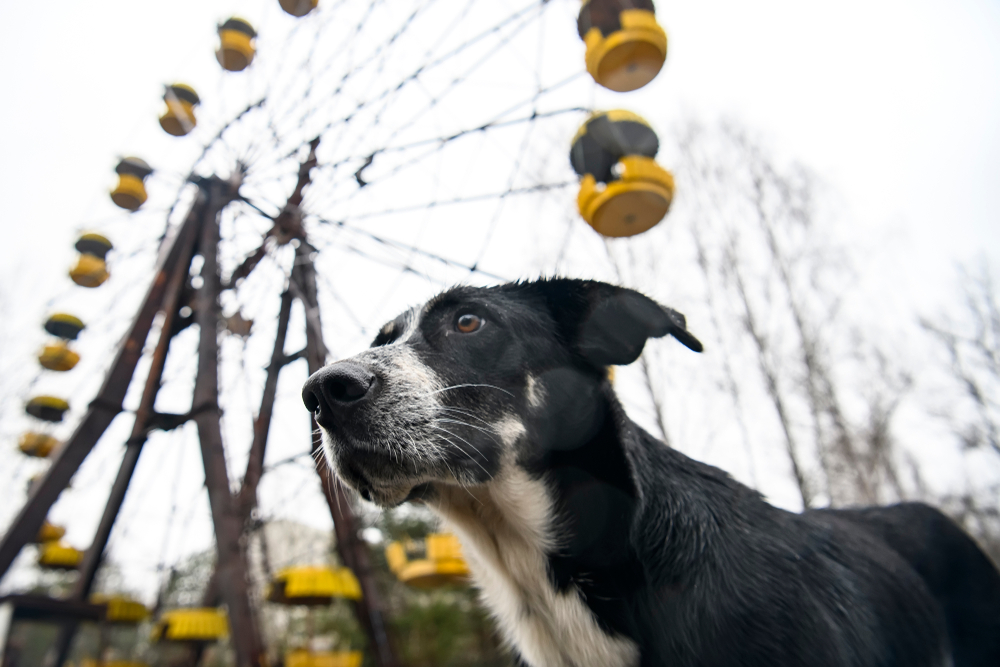
Nearly 40 years after the Chornobyl nuclear disaster, hundreds of stray dogs—descendants of pets abandoned during the 1986 evacuation—continue to live in the exclusion zone, facing malnutrition, disease, and radiation exposure. Veterinarian Dr. Jennifer Betz, who leads the Dogs of Chernobyl initiative, travels regularly to the site to sterilize, treat, and study the animals despite wartime dangers. The dog population has declined from about 1,000 in 2017 to fewer than 300 due to sustained sterilization efforts.
Researchers are using the isolated dog population to investigate long-term effects of low-dose radiation. So far, evidence of radiation-related harm is limited; cancers and physical abnormalities may stem from inbreeding. Studies suggest the animals pose minimal contamination risk to humans, and adoption has been extremely limited. Broader research, including comparisons with Fukushima, indicates that radiation effects on domestic animals are complex but often less severe than expected. Ultimately, the dogs’ existence offers rare insight into multigenerational radiation exposure.
Read the full story HERE: https://news.vin.com/default.aspx?pid=210&catId=613&Id=12949940