
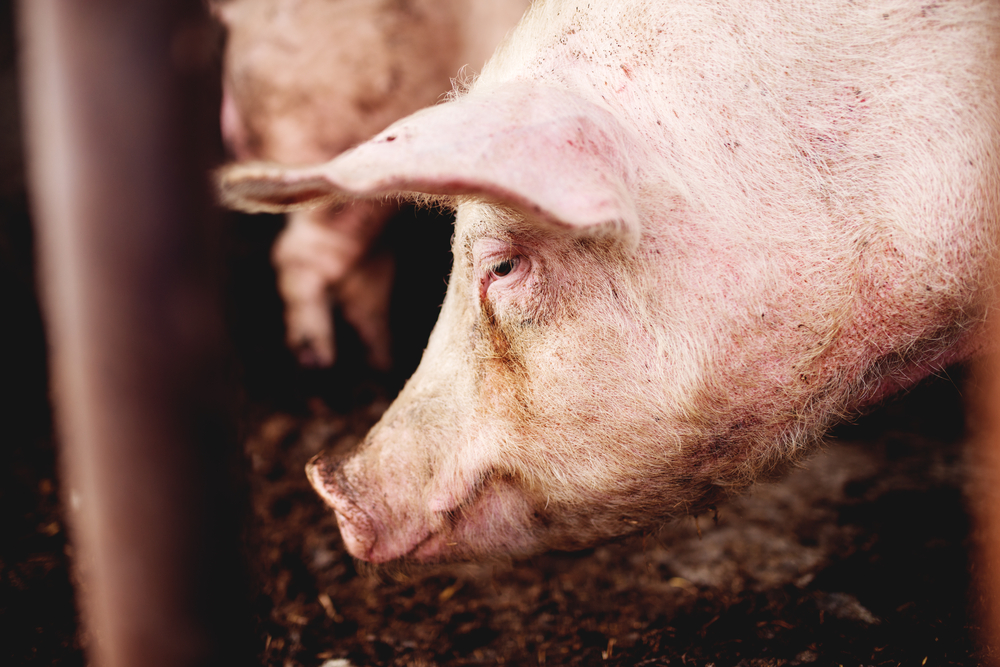
Source: University of Saskatchewan
Researchers at the University of Saskatchewan have identified the long-elusive cause of pig ear necrosis, a painful condition that rots ear tissue and harms animal welfare and productivity. Dr. Matheus Costa and his team discovered that the culprit is Fusobacterium necrophorum, a common gut bacterium that becomes pathogenic when pigs transfer it through saliva while biting or chewing each other’s ears. Though the disease has been known since the 1960s, its cause remained unclear, leading to ongoing animal suffering, reduced growth, economic losses, and excessive antibiotic use.
After confirming their findings experimentally, the team developed a vaccine that reduced clinical signs by about 50 percent and has already been submitted for patenting. Because the bacterium is widespread, elimination is unrealistic, so preventing ear-biting through better enrichment and welfare remains essential. Researchers hope the breakthrough will guide future prevention strategies and inspire additional studies into disease development and control.