
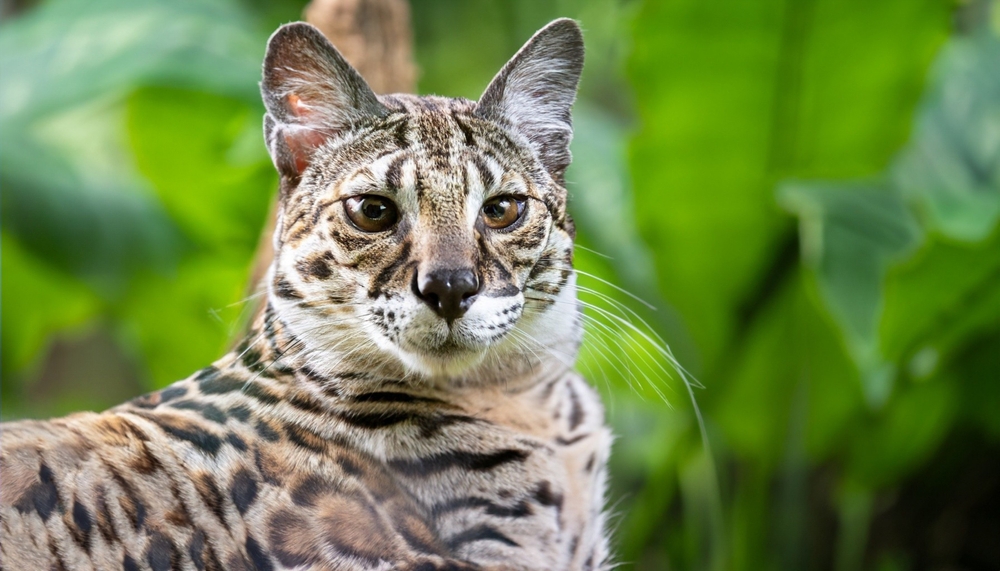
Source: Mongabay
New research reveals that female black-footed cats (Felis nigripes), Africa’s smallest wildcat, rely heavily on abandoned springhare burrows to shelter and raise their kittens in Southern Africa’s harsh, semiarid landscapes. Weighing as little as 1 kilogram, these highly active nocturnal hunters retreat underground by day. A study tracking five females in Namibia found each used an average of 12 dens over 138 days, typically staying two days per shelter.
Mothers with young kittens remained longer initially but switched dens almost daily once kittens began moving, likely to reduce predator risk and avoid scent detection. With only about 10,000 individuals remaining, low reproductive rates and disease threats make survival precarious. The species depends on healthy springhare populations and cooperative livestock farming practices, as overgrazing, burrow loss and predator control can indirectly harm them. Conservationists stress that protecting working landscapes and raising awareness are vital to safeguarding this elusive, vulnerable feline.
Read the full story HERE: https://news.mongabay.com/2026/02/rodent-burrows-offer-unusual-sanctuary-to-africas-smallest-wildcat/