
Source: EurekaAlert!
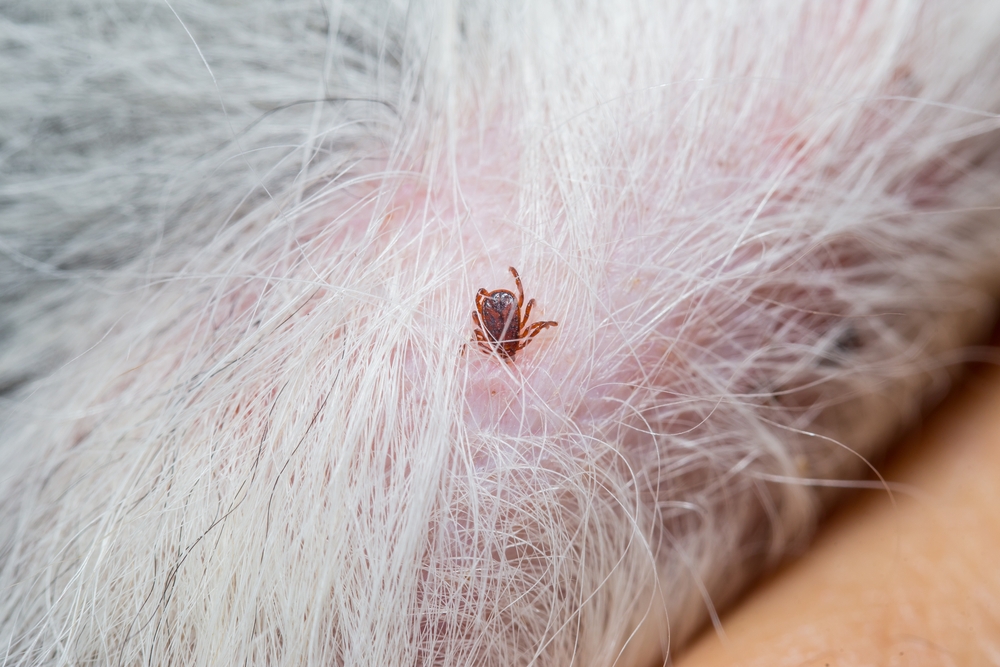
A new peer-reviewed study published in Environmental Toxicology and Chemistry by Oxford University Press warns that widely used flea and tick medications for dogs and cats may pose serious environmental risks. The research focuses on isoxazoline antiparasitic drugs, oral treatments introduced in 2013 that provide long-lasting flea and tick control. While effective for pets, these drugs are excreted in feces, urine, or shed hair and can enter surrounding ecosystems.
French researchers analyzed fecal samples from 20 dogs and 20 cats treated with isoxazolines over three months and detected active drug compounds even after treatment periods ended. Environmental risk assessments suggest dung-feeding insects—such as flies, beetles, and butterflies—may be exposed to harmful levels of these chemicals. Because these insects play critical roles in nutrient cycling, soil health, and pest control, the findings raise concerns that routine pet parasite treatments could unintentionally disrupt ecosystems and damage biodiversity.
Read the full story HERE: https://www.eurekalert.org/news-releases/1111856