
Source: UC San Diego Today
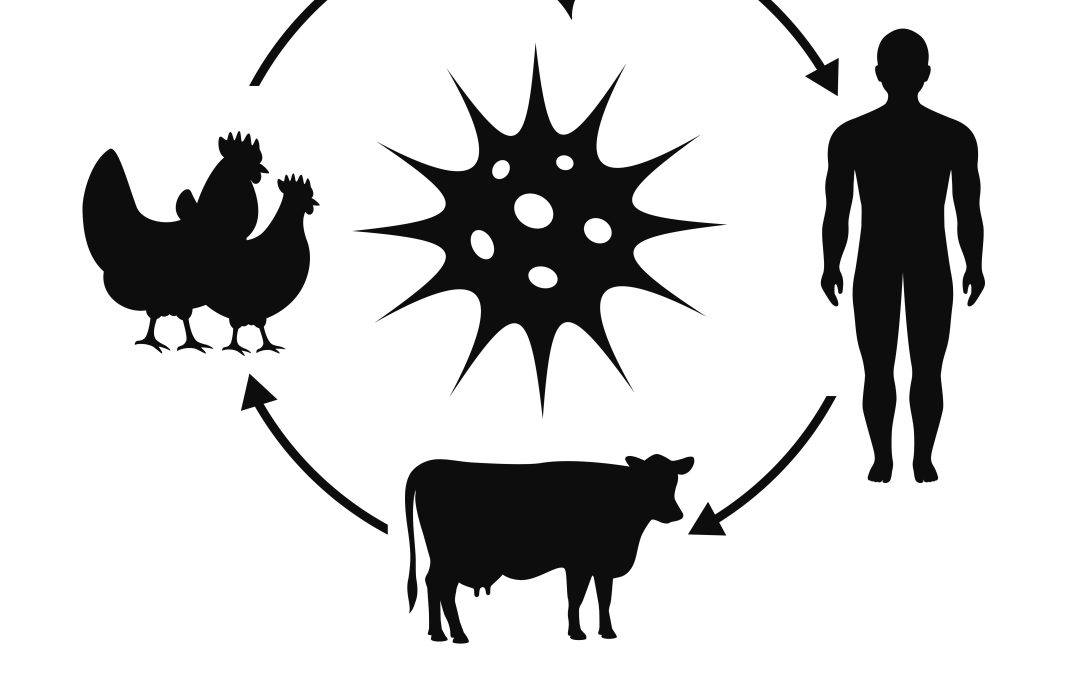
A UC San Diego study finds that most pandemic viruses jump from animals to humans without prior evolutionary adaptation. Analyzing viruses such as SARS-CoV-2, Ebola, and influenza, researchers found no evidence that these pathogens developed special traits before infecting humans. Instead, evolutionary changes typically occurred only after human transmission began. This challenges the belief that viruses must adapt in animals before causing outbreaks.
Importantly, SARS-CoV-2 showed no genetic signs of laboratory manipulation or prolonged development in an intermediate host, supporting a natural zoonotic origin. In contrast, the 1977 H1N1 flu displayed clear genetic signatures consistent with laboratory passage, suggesting a possible lab related reemergence. The study provides a new framework for distinguishing natural outbreaks from those involving lab handling. Researchers emphasize that most pandemics arise from natural exposure to animal viruses, highlighting the importance of surveillance and prevention to reduce future spillover events.