
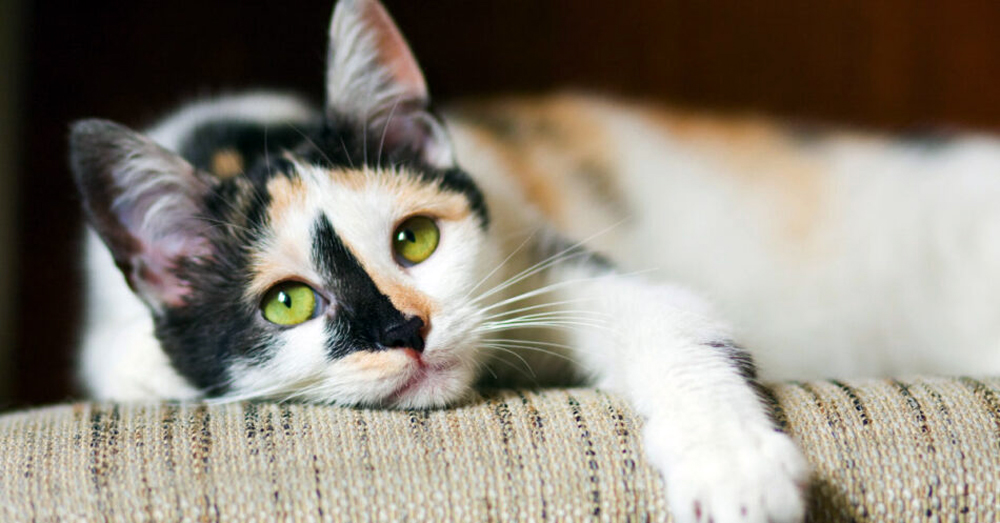
Veterinary medicine has become exceptionally good at filling every moment.
Schedules are packed weeks in advance. Notifications never stop. Conferences begin early and often end with professionals rushing from one continuing education session to the next, trying to absorb as much information as possible before heading home to families, errands, responsibilities, and the everyday realities of life. Even outside of work, many Veterinary professionals continue consuming information at a relentless pace. Podcasts during commutes. Emails before bed. Social media while waiting in line. Educational content while exercising. Somewhere along the way, silence began to feel uncomfortable.
I recently listened to a podcast discussing the role boredom plays in the human brain, and one idea in particular stayed with me: boredom is not necessarily a problem to solve. In many cases, it is actually a critical state for creativity, emotional processing, reflection, and change. It is often the space between activity where our minds finally begin to connect ideas, process emotions, and ask larger questions about where we are headed.
That concept feels especially relevant to Veterinary medicine right now.
The profession exists under extraordinary pressure. Workforce shortages, emotional fatigue, financial strain, staffing challenges, client expectations, and the ongoing pace of change have created an environment where many Veterinary professionals feel as though they are operating in a constant state of response. There is always another patient to see, another client to call, another emergency to navigate, another form to complete, another task waiting at home. And when work finally pauses, many of us instinctively reach for more stimulation. We scroll. We stream. We multitask. We try to “make the most” of every available second.
In many ways, Veterinary professionals have become conditioned to believe that if we are not actively doing something, we are somehow falling behind.
But perhaps the disappearance of boredom comes with consequences.
Some of the most important thoughts we have do not arrive when we are actively trying to force them. They emerge unexpectedly while driving in silence, taking a walk without distraction, staring out an airplane window, folding laundry, gardening, or simply sitting quietly with a cup of coffee before the day begins. Those moments can feel unproductive on the surface, yet they are often when the brain finally has enough room to wander, process, and reconnect ideas that have been buried beneath noise and urgency.
In a profession as emotionally demanding as Veterinary medicine, those moments of mental openness may be more important than we realize.
Veterinary professionals are often praised for their resilience and ability to carry extraordinary workloads. The culture of the profession tends to reward endurance, responsiveness, and the ability to continuously push forward. Yet very little attention is given to the importance of stillness. We rarely discuss the value of simply allowing ourselves time to think without a task attached to it.
Not to solve a problem.
Not to answer an email.
Not to learn something new.
Just to think.
There is growing conversation around how the brain’s quieter moments contribute to creativity, self-awareness, emotional regulation, and even innovation. When we remove every pause from our lives, we may also be removing opportunities for recovery. For a profession already facing concerning levels of exhaustion and burnout, that matters.
Perhaps boredom has been misunderstood all along.
Maybe boredom is not laziness or wasted time. Maybe it is the mind asking for space. Space to process experiences. Space to recover emotionally. Space to imagine something different. Space to reconnect with purpose. Space to recognize that not every moment of our lives must be optimized to have value.
Ironically, in a profession centered on care, many Veterinary professionals have become uncomfortable with giving themselves permission to simply exist without constant input or output. We have normalized being busy to the point where stillness can almost feel irresponsible.
But some of the profession’s most important breakthroughs — whether personal or professional — may never emerge in the middle of constant noise. They may arrive only after we create enough silence to hear ourselves again.
Maybe that is the opportunity boredom presents.
Not emptiness.
Not disengagement.
But room.
Room for reflection.
Room for creativity.
Room for healing.
Room for change.
And in a profession carrying as much weight as Veterinary medicine is today, that room may be more necessary than ever.