
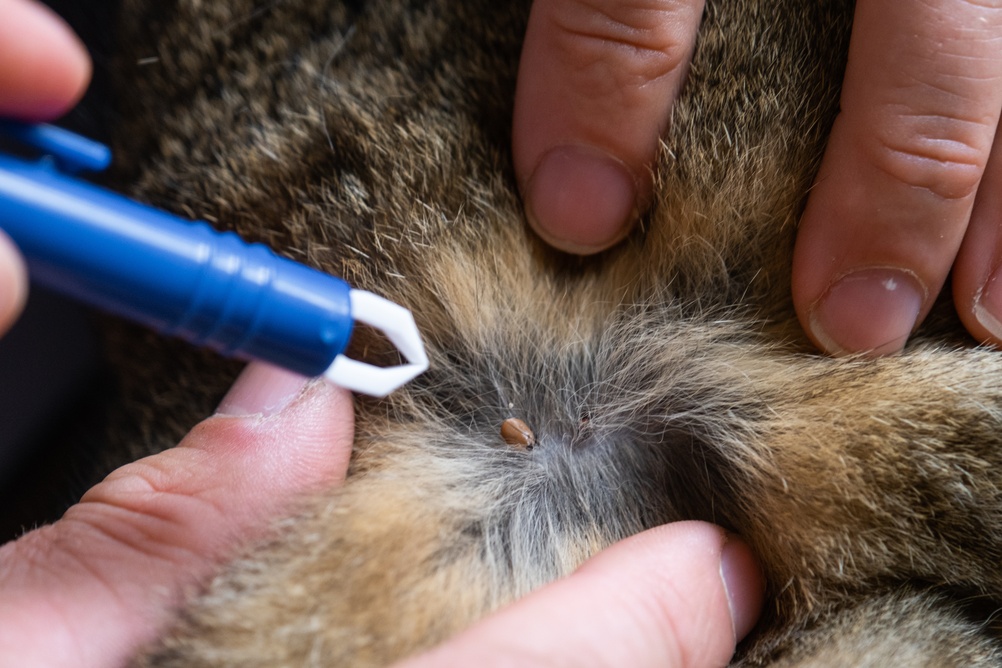
Source: DVM360
The Companion Animal Parasite Council’s 2026 forecast highlights a growing and expanding risk of parasites across the United States, including Lyme disease, heartworm, ehrlichiosis, and anaplasmosis. These diseases are spreading into regions that were once considered lower risk due to factors such as climate change, shifting wildlife populations, land use changes, and increased travel of pets and people. Lyme disease continues to expand beyond traditional hotspots in the Northeast and Upper Midwest, while heartworm remains widespread in the Southeast and is moving into northern areas. Tick-borne diseases like ehrlichiosis and anaplasmosis are also increasing as tick populations spread geographically.
The report emphasizes that parasite risk is now year-round rather than seasonal, making consistent prevention and routine testing more important than ever. Veterinarians are encouraged to use these insights to guide prevention strategies, educate pet owners, and adapt to changing disease patterns to better protect both animal and human health.