
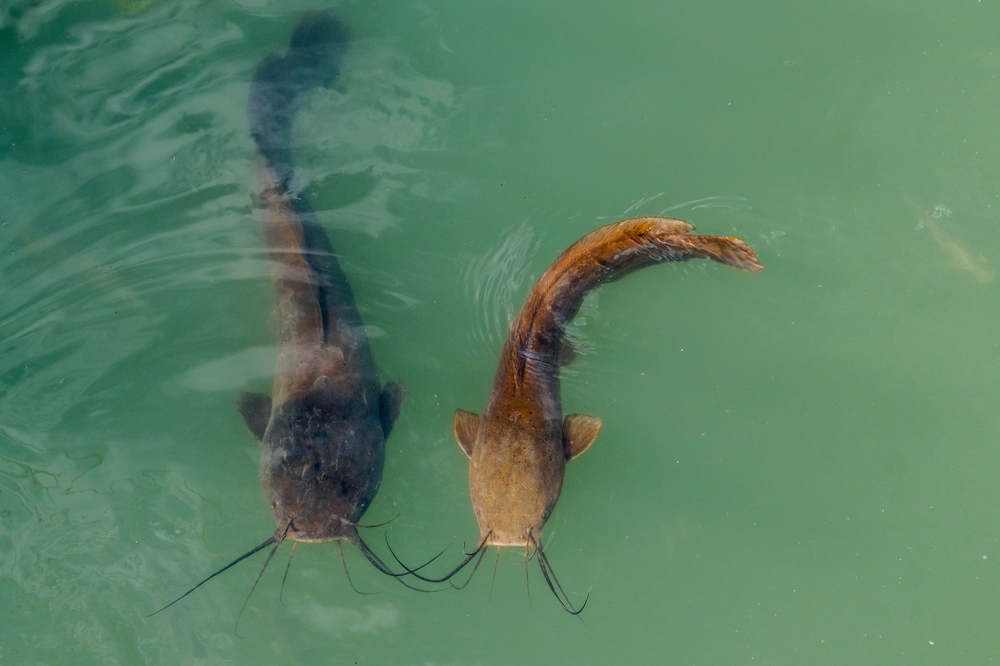
Source: The Guardian
A major United Nations report finds that migratory freshwater fish populations have declined by roughly 81% since 1970, signaling a rapid collapse of some of the planet’s largest animal migrations. These fish play a critical role in ecosystems, global food supplies, and the livelihoods of hundreds of millions of people. The decline is driven largely by human activities, including dam construction that blocks migration routes, pollution, overfishing, and climate change, all of which degrade river habitats.
Many species now face serious risk, yet only a small proportion receive adequate protection, exposing a significant gap in conservation efforts. While regions like the Amazon still support relatively healthy populations, others (such as the Mekong) are experiencing steep declines and potential extinctions. Scientists warn that this crisis has been largely overlooked compared to marine or terrestrial biodiversity loss. They emphasize the urgent need for coordinated global action to restore river connectivity, improve fisheries management, and protect critical habitats before these vital migrations disappear.