
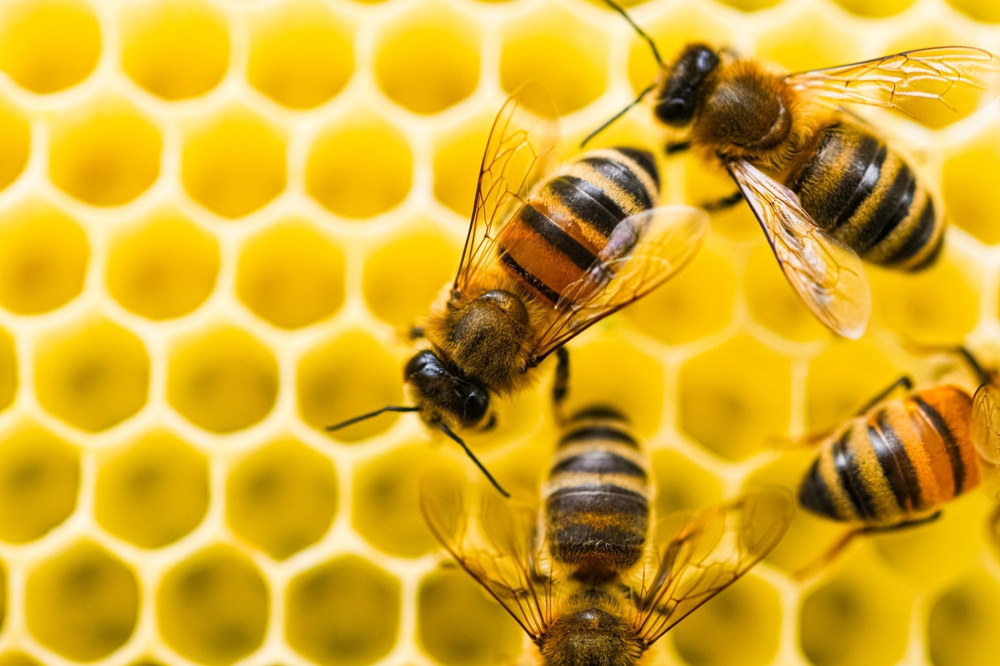
Source: DVM 360
Honeybees are essential pollinators for U.S. agriculture, but populations continue to face major threats from Varroa destructor, a parasite considered one of the leading causes of colony collapse. The mites weaken bees, spread dangerous viruses such as deformed wing virus, and significantly reduce colony survival rates. Researchers and Veterinary experts are now exploring new ways to combat the growing problem, especially as resistance to traditional pesticides like amitraz increases.
One promising approach combines amitraz with compounds that improve its effectiveness against resistant mites. Another emerging solution involves RNA interference technology, including the treatment vadescana, which targets mite reproduction while remaining safer for bees and the environment. Experts also stress the growing role of veterinarians in honeybee medicine and encourage practitioners to pursue education in apiculture, integrated pest management, and colony health. These advances could help improve pollinator sustainability and better protect honeybee populations critical to food production and agriculture.
Read the full story HERE: https://www.dvm360.com/view/helping-honey-bees