
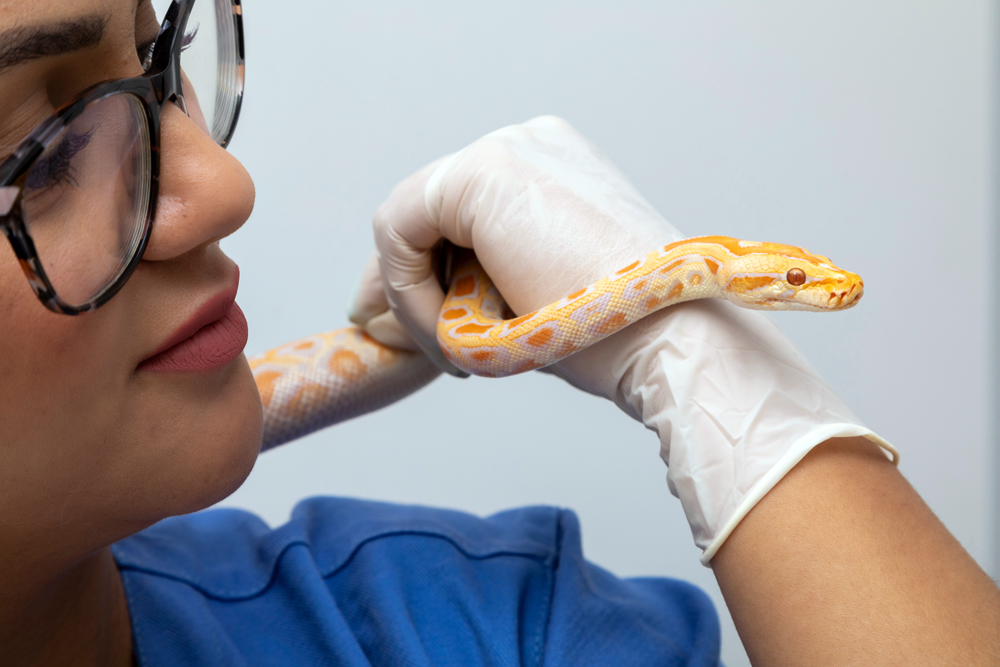
Exotic animal Veterinary news shapes how the Animal Health industry understands emerging care standards for uncommon species. Moreover, clinicians rely on this information to respond to shifting disease patterns. The field includes mammals birds reptiles amphibians and aquatic species. However, each group presents distinct physiological and behavioral challenges. Therefore, timely reporting guides diagnostic accuracy and treatment planning. The Animal Health sector has expanded attention toward zoological and companion exotics. Consequently, Veterinary teams increasingly seek specialized knowledge sources. In addition, owners expect higher care standards for nontraditional animals.
This expectation drives demand for consistent professional reporting. exotic animal Veterinary news provides context for case outcomes and clinical observations. For example, shared experiences with rare conditions shorten learning curves. Moreover, news platforms highlight collaboration between private practices and conservation programs. These stories influence how Veterinary professionals approach welfare decisions. As a result, the industry gains a broader ethical perspective. However, misinformation can spread without editorial rigor. Therefore, credible reporting remains essential for clinical confidence. exotic animal Veterinary news also supports communication between specialists and general practitioners. In addition, it bridges gaps between research and daily practice. The Animal Health community benefits from accessible summaries of complex findings. Consequently, this news niche now plays a central educational role.
Clinical Advances In Exotic Care
Clinical innovation continues to redefine treatment possibilities for exotic species. Moreover, diagnostic imaging has become more accessible within specialty practices. Advanced ultrasound and endoscopy improve outcomes across species. However, adaptation for small or unusual anatomy remains challenging. Therefore, Veterinary teams modify protocols through shared experience. exotic animal Veterinary news often reports these procedural refinements. In addition, anesthesia techniques continue to evolve for sensitive species.
Safer agents and monitoring tools reduce perioperative risks. Consequently, survival rates improve after complex procedures. Pain management has also gained greater focus. For example, multimodal strategies now consider species specific responses. Moreover, nutritional therapy advances support recovery and chronic management. These approaches often emerge through clinical case sharing. However, limited drug labeling complicates treatment decisions. Therefore, clinicians depend on peer reviewed discussion. exotic animal Veterinary news spreads awareness of off label use considerations. In addition, it highlights ethical decision making in experimental care. The Animal Health industry values transparency in these reports. Consequently, trust grows between professionals and clients. Clinical progress relies on communication as much as technology.
Policy Shifts Shaping Exotic Practice
Regulatory changes increasingly influence exotic animal medicine. Moreover, importation and ownership laws affect patient populations. These policies vary widely across regions. However, Veterinary professionals must adapt quickly to remain compliant. Therefore, monitoring legal updates is essential. exotic animal Veterinary news frequently addresses these regulatory developments. In addition, biosecurity measures receive heightened attention. Disease surveillance programs now include exotic species more often. Consequently, reporting requirements expand for clinics and laboratories.
Licensing standards for exotic practice also evolve. For example, some jurisdictions mandate additional training credentials. Moreover, welfare legislation shapes housing and transport guidelines. These rules impact clinical recommendations and client education. However, inconsistent enforcement can create confusion. Therefore, clear communication from industry sources matters. exotic animal Veterinary news helps clarify interpretation of new rules. In addition, it provides case examples of compliance strategies. The Animal Health sector depends on alignment between policy and practice. Consequently, informed clinicians protect both animal welfare and professional standing.
Exotic Animal Veterinary News And Research
Research drives much of the progress seen in exotic medicine. Moreover, academic institutions expand focus beyond traditional species. This shift increases available data for uncommon animals. However, funding limitations remain a concern. Therefore, collaborative research models gain popularity. exotic animal Veterinary news translates complex studies into practical insights. In addition, it highlights emerging disease trends across regions. Surveillance studies often reveal zoonotic considerations. Consequently, clinicians adjust biosecurity protocols.
Genetic research also contributes to species specific care. For example, understanding metabolic pathways informs dosing decisions. Moreover, behavioral studies improve enrichment and handling methods. These findings influence preventive care strategies. However, research timelines can be slow. Therefore, interim clinical observations hold value. exotic animal Veterinary news shares preliminary findings responsibly. In addition, it encourages critical evaluation among readers. The Animal Health community benefits from balanced research communication. Consequently, evidence based practice strengthens across exotic disciplines.
Education And Workforce Trends
Education pathways for exotic animal medicine continue to expand. Moreover, Veterinary schools incorporate broader species exposure. This change reflects shifting career interests among students. However, clinical placement availability can be limited. Therefore, continuing education fills important gaps. Conferences and online modules address niche topics. exotic animal Veterinary news often announces these learning opportunities. In addition, mentorship models evolve within specialty practices.
Knowledge transfer supports skill development for early career clinicians. Consequently, confidence grows in managing complex cases. Workforce demand also increases as exotic ownership rises. For example, urban practices report more exotic appointments. Moreover, technician training adapts to specialized handling needs. However, burnout remains a concern within the profession. Therefore, wellness discussions gain prominence. exotic animal Veterinary news covers workforce sustainability conversations. In addition, it highlights innovative staffing solutions. The Animal Health industry benefits from a supported and educated workforce.
Global Exotic Animal Veterinary News
Exotic animal medicine reflects global interconnectedness. Moreover, wildlife trade and travel influence disease spread. International reporting helps clinicians anticipate emerging risks. exotic animal Veterinary news provides insights from diverse geographic contexts. In addition, conservation medicine bridges wild and captive care. These efforts support population health and biodiversity. Consequently, Veterinary professionals engage with global initiatives. Knowledge exchange across borders accelerates best practice adoption.
However, resource disparities affect care standards worldwide. Therefore, adaptable guidelines are necessary. Global case reports illustrate creative problem solving. For example, low cost diagnostics inform high impact decisions. Moreover, international collaboration strengthens research quality. exotic animal Veterinary news highlights these cooperative successes. In addition, it underscores ethical considerations in cross border work. The Animal Health community gains perspective through global storytelling. Consequently, clinicians develop culturally and scientifically informed approaches.