
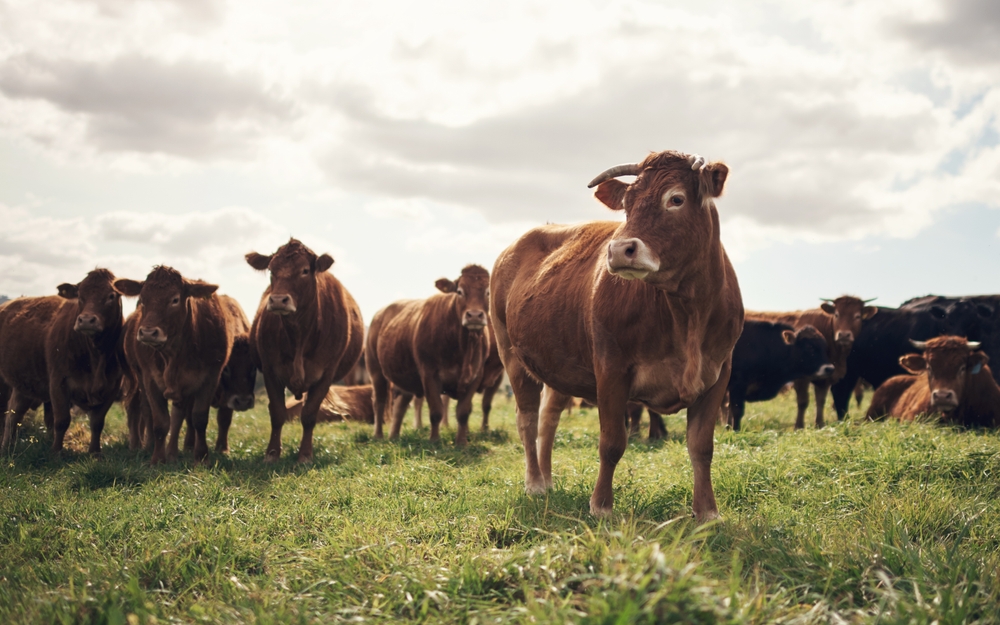
Source: Bovine Veterinarian
Bovine viral diarrhea (BVD) remains one of the most costly diseases affecting cattle, yet misconceptions often weaken prevention efforts. Although its name suggests otherwise, diarrhea is uncommon, with reproductive losses, respiratory disease, and immune suppression being the primary concerns. Experts emphasize that vaccination is highly effective at reducing disease but cannot eliminate BVD on its own because persistently infected (PI) animals continuously shed the virus throughout their lives.
Identifying and removing PI cattle through reliable diagnostic tests, particularly ear-notch testing, is essential for disease control. Even herds that have eliminated BVD remain at risk through purchased cattle, community grazing, or wildlife, making ongoing surveillance and biosecurity critical. Importantly, cattle can only become persistently infected before birth during a specific stage of fetal development. Veterinarians recommend combining strategic vaccination, accurate diagnostics, removal of PI animals, strong biosecurity, and herd-specific health plans to minimize BVD’s economic and health impacts.