
Source: Health Day
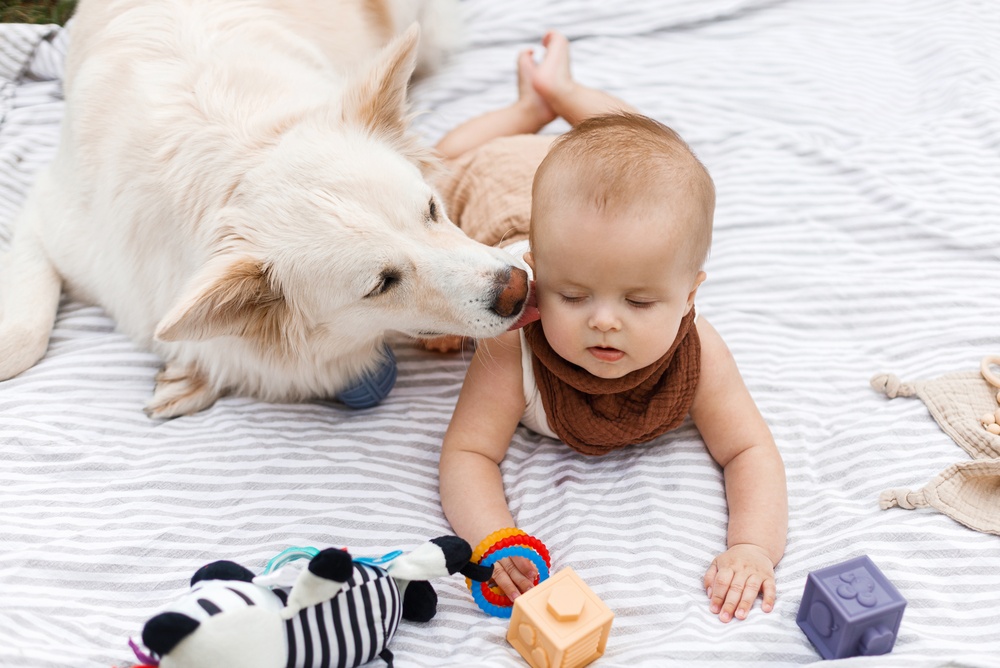
A Finnish study suggests that exposure to microbes carried by pet dogs may help protect infants from respiratory infections during their first year of life. Researchers followed 368 children and found that infants living with dogs experienced fewer upper respiratory infections, fevers, and antibiotic prescriptions than those in homes without dogs. The team identified specific bacteria and fungi introduced into the home by dogs that accounted for up to 25% of the observed reduction in illness and antibiotic use.
Eight dog-associated microbes were linked to improved resistance to respiratory infections, while three bacterial species explained much of the decrease in antibiotic use. Researchers believe these microbes help shape the developing immune system during a critical stage of early childhood. Because frequent respiratory infections are associated with a higher risk of asthma later in life, the findings suggest that early exposure to beneficial dog-associated microbes could provide lasting health benefits. The study was published in Pediatric Allergy and Immunology.