
Source: Today’s Veterinary Nurse
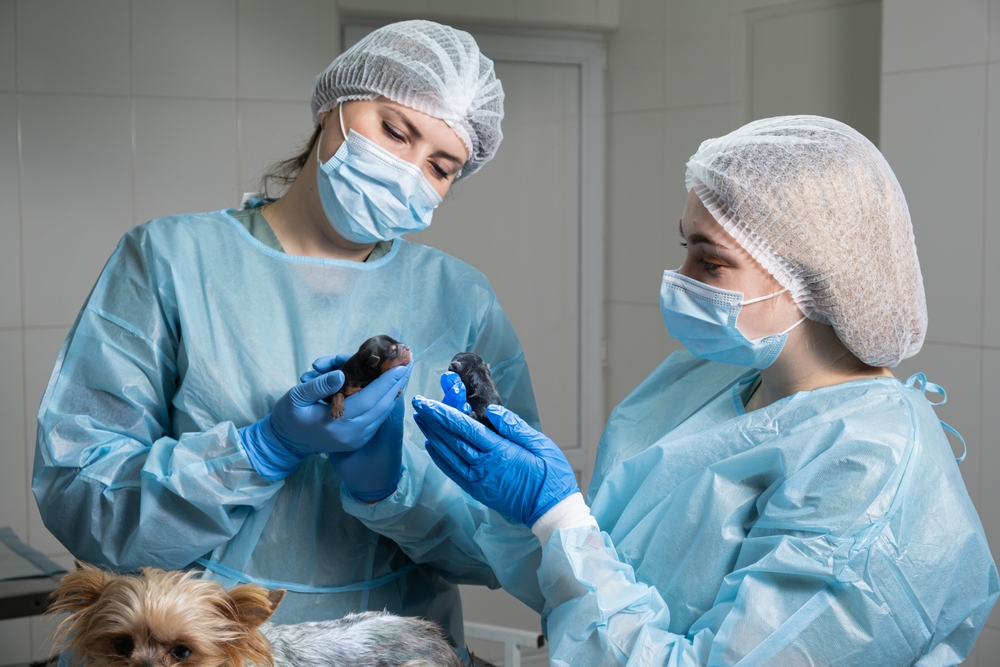
The RECOVER Initiative has released new evidence-based Newborn Resuscitation Guidelines designed specifically for puppies and kittens during their critical transition from placental support to independent breathing. Unlike adult patients, newborns experiencing distress usually suffer from respiratory failure rather than primary cardiac problems, making lung aeration and ventilation the highest priorities.
The guidelines recommend beginning with vigorous drying, safe tactile stimulation, warming, and gentle airway clearance while monitoring heart rate. The outdated practice of “swinging” newborns is now contraindicated because of risks including intracranial hemorrhage and aspiration. A heart rate below 120 beats per minute signals the need for immediate positive pressure ventilation, initially using room air rather than 100% oxygen to reduce oxidative stress.
If the heart rate falls below 50 bpm, CPR should begin immediately using newborn-specific compression techniques and a 4:1 compression-to-ventilation ratio. After successful resuscitation, Veterinary teams must closely monitor temperature, glucose, breathing, and overall recovery. Preparation, defined team roles, and a properly stocked resuscitation station are essential for giving newborn patients the best chance of survival.