
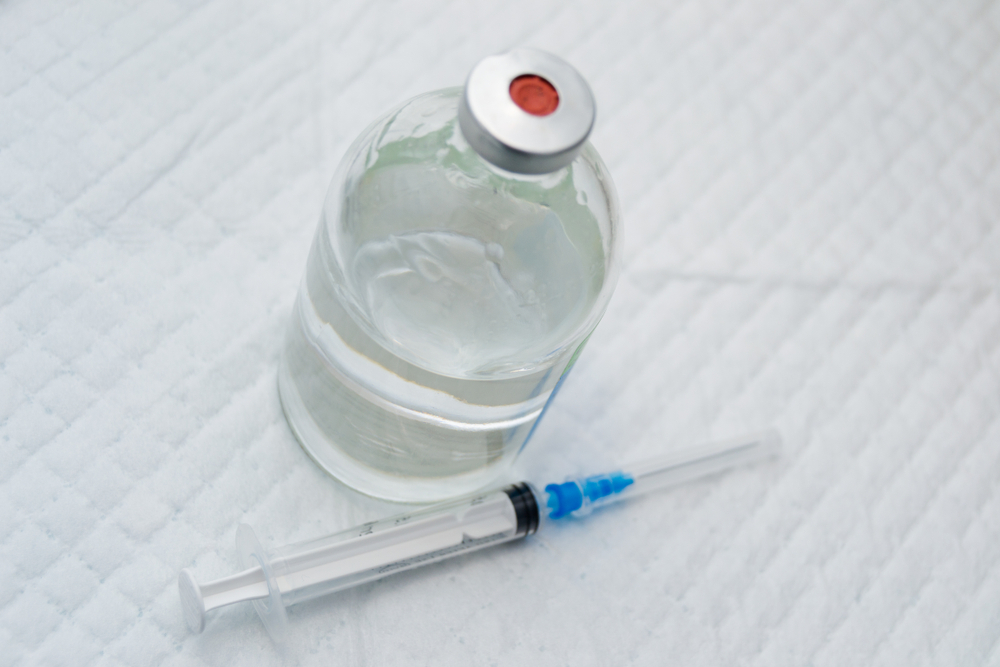
Source: Agri Pulse In this opinion piece, American Veterinary Medical Association President Michael Bailey urges Congress to pass the bipartisan Combating Illicit Xylazine Act to address the growing misuse of xylazine in the illicit fentanyl supply while preserving its essential Veterinary uses. Although the fentanyl-xylazine combination is a serious public health threat, xylazine itself is a critical FDA-approved sedative […]
read more
Editor
Recent Posts

Source: AP News Pangolins, shy and nocturnal mammals covered in protective keratin scales, are the most trafficked mammals in the world. Conservationists are highlighting their plight on World Pangolin Day, noting that more than half a million were seized in anti-trafficking operations between 2016 and 2024, with over one million estimated taken from the wild in […]
read more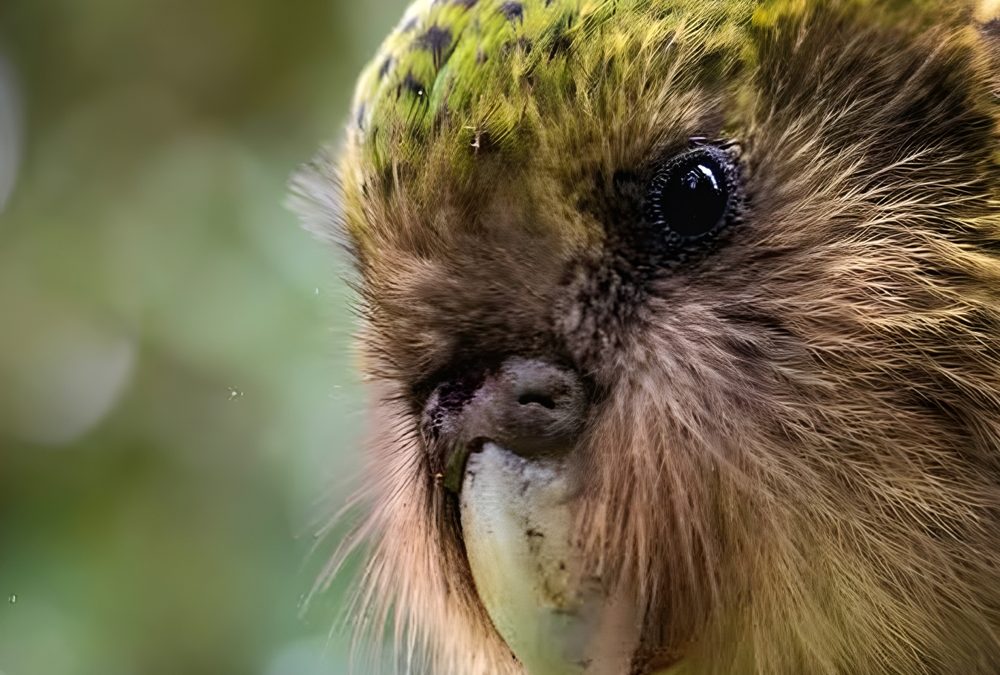
Source: AP News A bumper crop of rimu berries has sparked rare breeding activity among New Zealand’s critically endangered kākāpō, the world’s only flightless parrot. Once thought doomed due to predation and habitat loss, the population has grown from about 50 birds to more than 200 over three decades thanks to intensive conservation efforts. Kākāpō breed only every […]
read more
Source: AVMA The American College of Veterinary Internal Medicine (ACVIM) has endorsed updated guidance on diagnosing and treating canine chronic inflammatory enteropathy (CIE), emphasizing dietary trials and discouraging routine antibiotic use. Published January 21 in the Journal of Veterinary Internal Medicine, the consensus statement reflects more than a decade of new research since the 2010 guidelines. CIE remains a […]
read more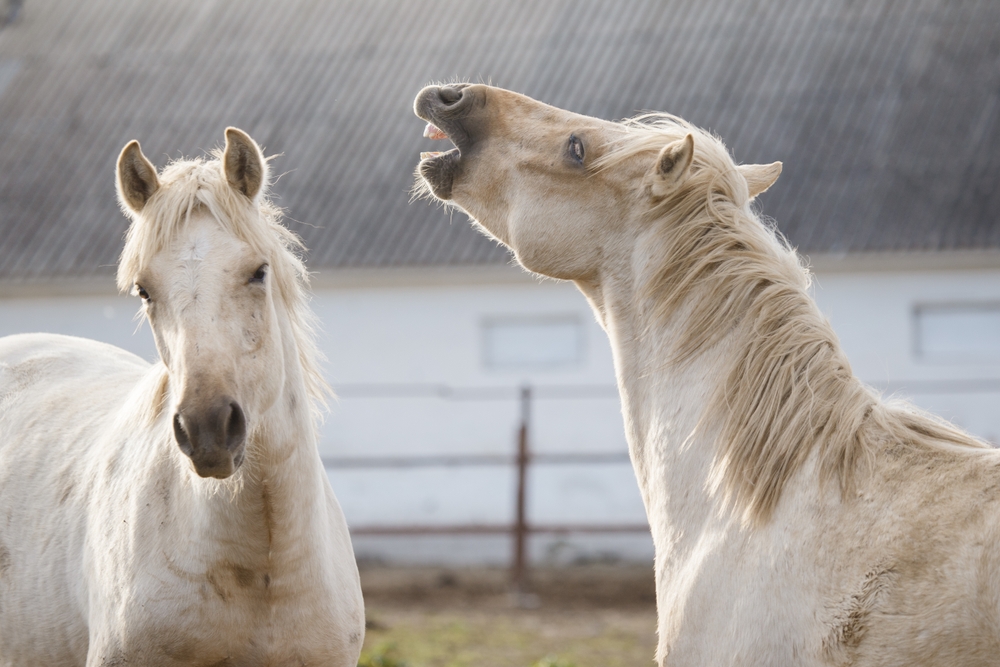
Source: Science New research reveals that a horse’s whinny is produced through two distinct sound mechanisms occurring simultaneously. Published in Current Biology, the study shows that the whinny combines a low, guttural tone created by vibrating vocal folds (similar to human speech) with a high-pitched whistle generated by air rushing through a constricted part of the larynx. This […]
read more
Source: Lowell Sun A 48-year-old Pelham, New Hampshire woman has been arrested for allegedly using forged Veterinary records to obtain the prescription drug Xanax. According to local reports, she forged Veterinary documents and prescriptions as part of a scheme to acquire the controlled medication, leading to her arrest on Feb. 19. Public information indicates the alleged fraud involved […]
read more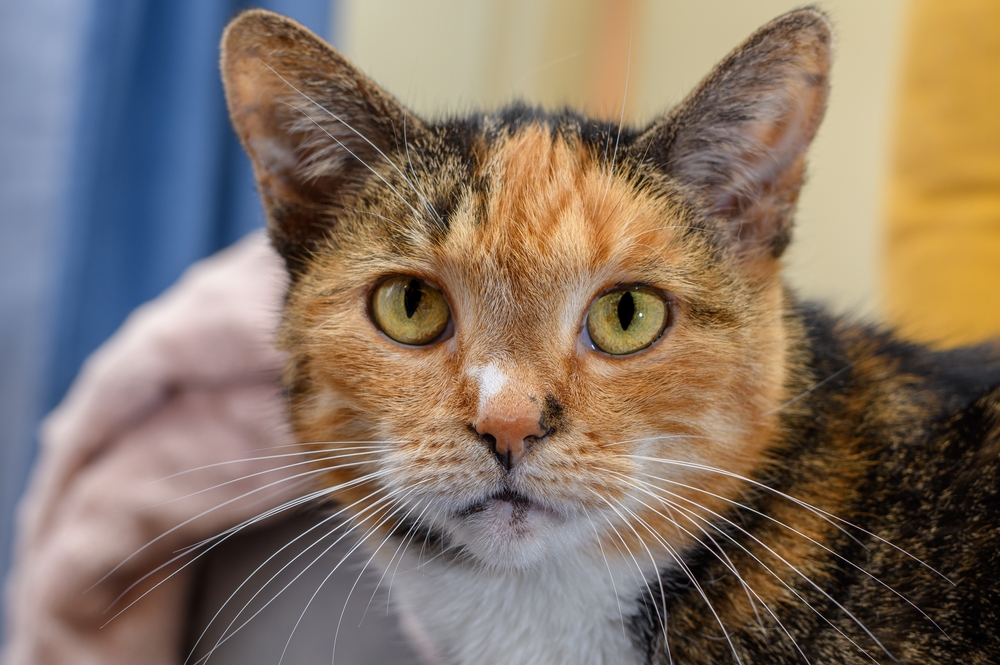
Source: WLKY A newly approved medication, GS-441524, is offering hope to cats diagnosed with feline infectious peritonitis (FIP), a disease once considered a death sentence. For years, the drug showed high success rates but was illegal in the U.S., leaving veterinarians unable to recommend it and forcing desperate pet owners to seek unregulated sources. Now legalized, GS-441524 […]
read more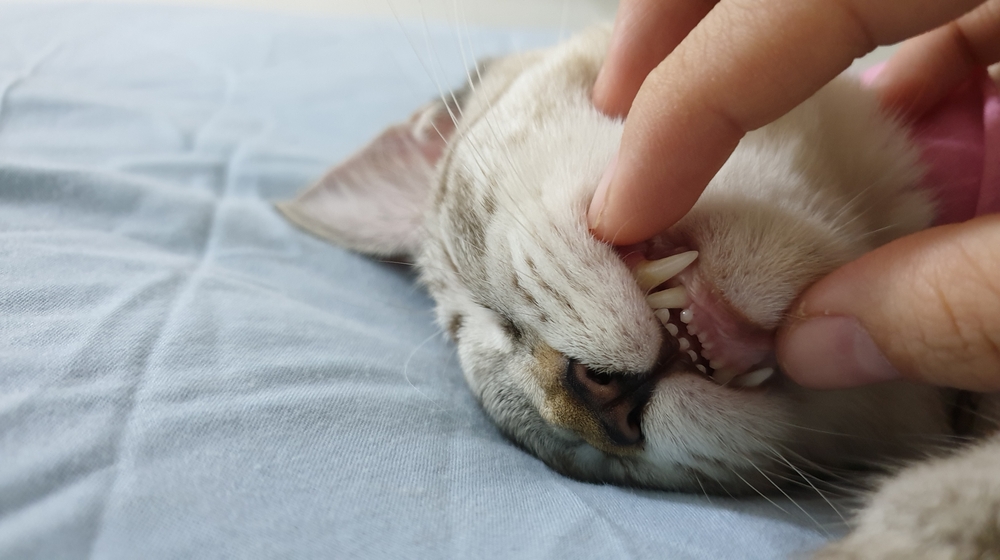
Source: Forbes February is National Pet Dental Health Month, highlighting the importance of oral care for pets. According to Dr. Naomi Hoyer, a board-certified Veterinary dentist at Colorado State University, more than 80% of dogs and cats will develop some form of dental disease during their lives. The challenge is that pets often hide symptoms, continuing […]
read more
Source: Pet Age The Pet Advocacy Network (PAN) is applauding the inclusion of the Healthy Dog Importation Act in the newly introduced Farm Bill by the House Agriculture Committee. The legislation aims to strengthen protections for American pets, owners and the livestock industry by addressing gaps in dog importation standards. Approximately one million dogs are imported into the United States each year, […]
read more
Source: AOL A tornado struck Bristow, Oklahoma, damaging the facilities of Bristow Barnyard Animal Rescue on Friday evening and destroying several dog kennels. Beth Roberts, who runs the nonprofit rescue, shared photos of the damage on Facebook and described the chaotic moments after the storm when several dogs briefly escaped after the kennels were torn apart. Rescue staff quickly […]
read more
Source: Pet Business Professor The January 2026 Petflation report shows total pet prices reached a new record high, rising 0.3% from December, with year-over-year pet inflation at 3.4%—about 42% higher than the overall U.S. CPI of 2.4%. While national inflation has cooled significantly since its 9.1% peak in June 2022, pet-related costs remain elevated, particularly in services. […]
read more
Source: Today’s Veterinary Business Veterinary blood supplies in the United States are critically low and face growing threats, endangering pets that require lifesaving transfusions. Rising pet ownership has increased demand, with millions of transfusions likely needed annually for trauma, disease, and chronic conditions. However, donor shortages persist. Community blood banks rely on volunteer pet owners but […]
read more
Source: Stuttgart Daily Leader The Arkansas State University (ASU) System Board of Trustees received an update that A-State’s new College of Veterinary Medicine remains on track to open in fall 2026. Chancellor Todd Shields said a recent accreditation site visit by the American Veterinary Medical Association went “extremely well,” with a final decision expected in June. Seventeen faculty members have been hired, and […]
read more
Source: Animal Health Institute The Animal Health Institute (AHI) has praised the FDA Center for Veterinary Medicine’s (CVM) final guidance on the duration of use for medically important antimicrobials in animal feed and water. The guidance creates a framework for pharmaceutical sponsors to collaborate with CVM in setting appropriate usage limits while preserving veterinarians’ ability to make case-by-case treatment […]
read more
Source: Iowa Capital Dispatch An Iowa House subcommittee has advanced House File 2209, which would require 80% of students in Iowa State University’s Veterinary medicine professional program to be Iowa residents or previous in-state college attendees. Sponsored by Rep. Craig Williams, the bill aims to address Iowa’s shortage of rural veterinarians by prioritizing applicants likely to practice mixed animal […]
read more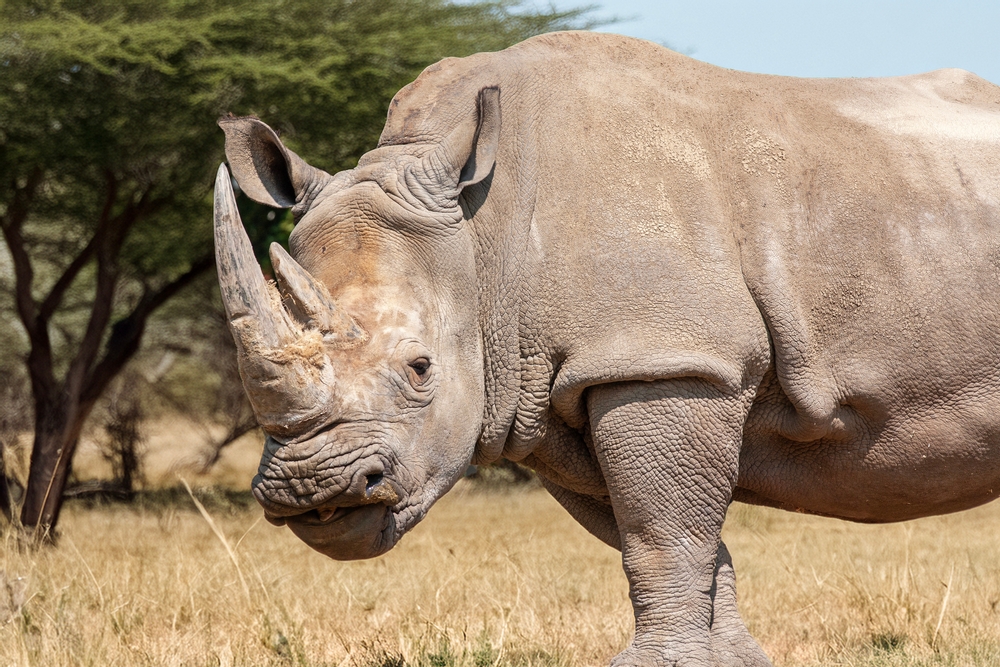
Source: AP News Animal behaviorists working with the Palm Beach Zoo & Conservation Society helped save the eyesight of an endangered white rhino in Zimbabwe using what locals initially called a “ridiculous” plan. The male rhino, named Thuza, developed a life-threatening parasitic eye infection that threatened not only his vision but also the future of a community-based conservation program near Hwange […]
read more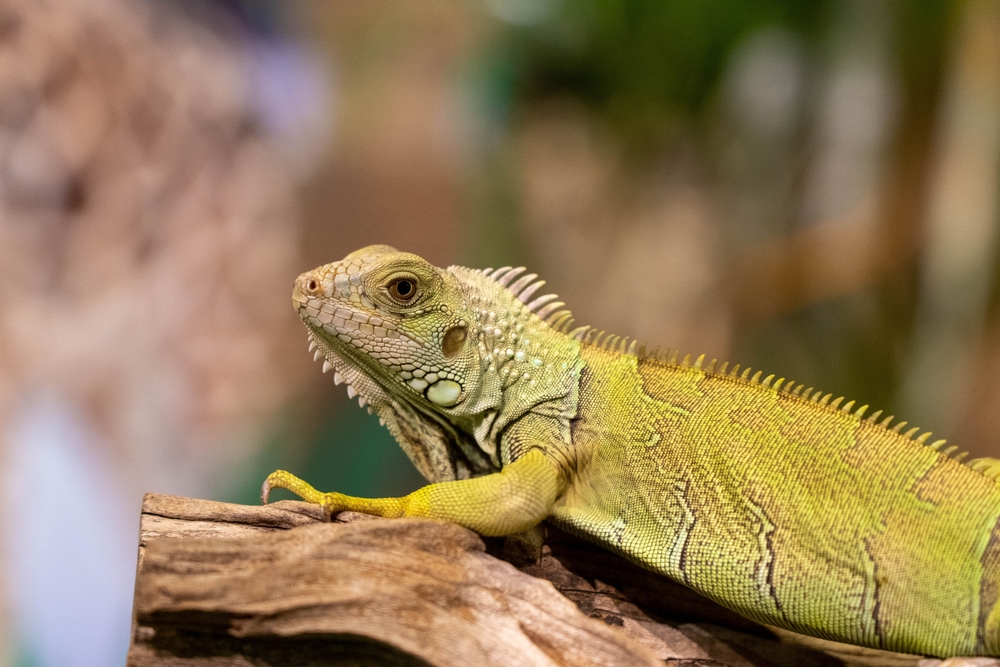
Source: WPTV A Palm Beach County woman is warning pet owners after her two dogs contracted botulism from eating a dead iguana in their yard following a Florida cold snap. Bridget Garrison said her blue-tick hounds, Tally and Karma, consumed parts of the iguana, which likely froze and died during the cold weather. Days later, both dogs showed symptoms, including […]
read more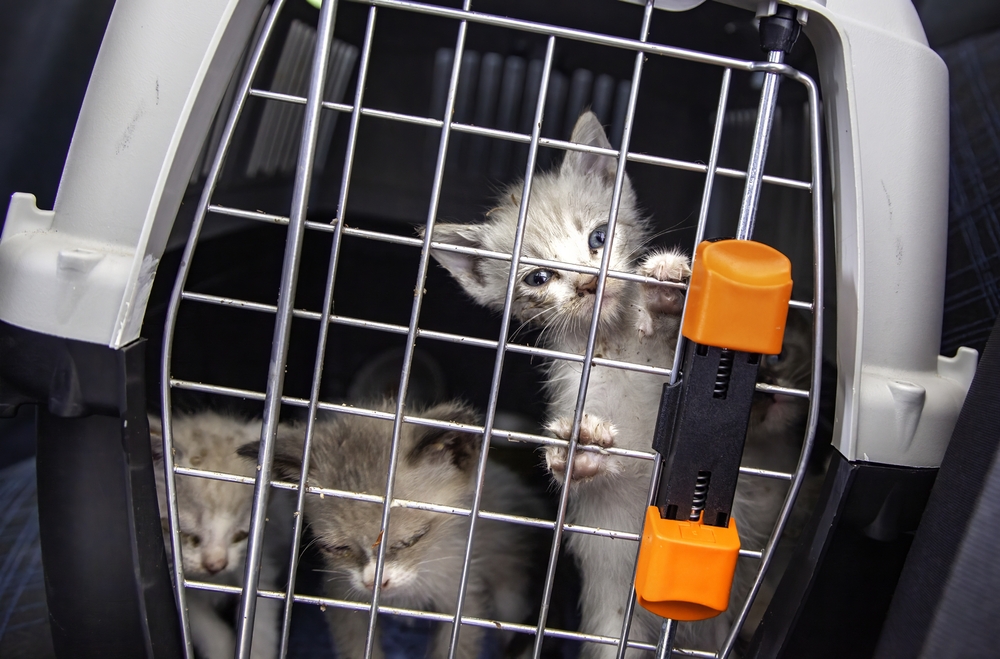
Source: 10 WJAR Nearly 100 cats were rescued from a Woonsocket, Rhode Island apartment in one of the largest cases the Rhode Island SPCA has handled. Unlike typical hoarding situations, the owner contacted authorities for help. Dr. Dan Simpson said the cats were fortunate to be in relatively good condition, noting that in severe cases animals are often malnourished, diseased or […]
read more
Source: BBC Manjit Sangha, 56, is raising awareness about sepsis after surviving a life-threatening battle that led to the amputation of both legs below the knee and both hands. After feeling unwell one weekend, she became unconscious within 24 hours and was rushed to hospital, where her heart stopped six times. Doctors believe the infection may have […]
read more
Source: Oregon Live Go Raw, a Utah-based pet food company, has voluntarily recalled a single lot of its Quest Cat Food Chicken Recipe Freeze Dried Nuggets after at least one customer reported a related illness in their cat. According to the U.S. Food and Drug Administration, product testing revealed low levels of thiamine (vitamin B1), an essential nutrient […]
read more