
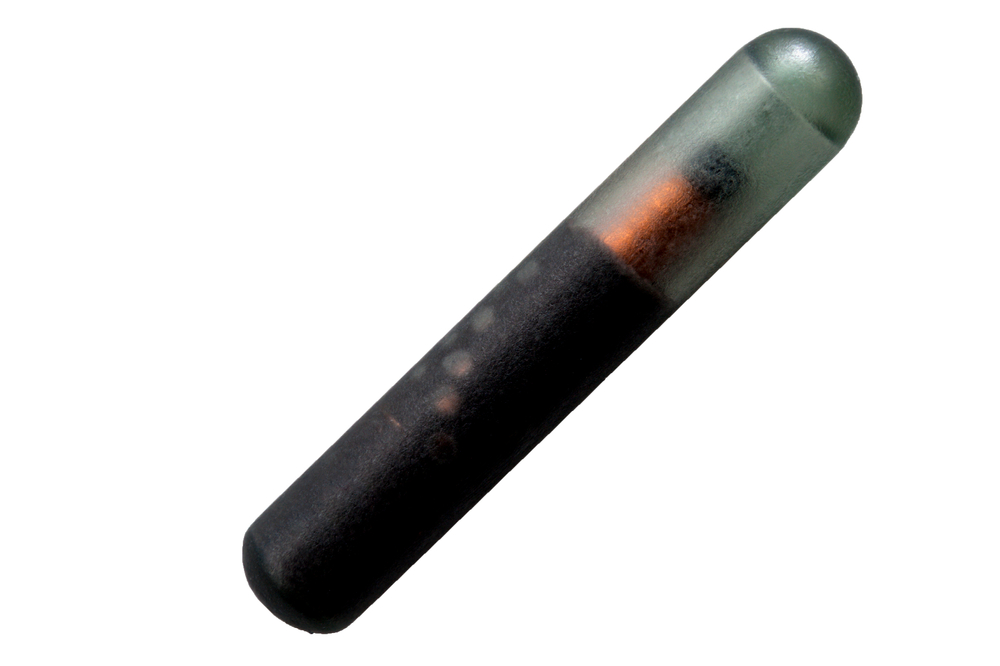
Source: People After 11 years apart, Melanie Epperson of New York was joyfully reunited with her long-lost dog, Snuggles. The pup disappeared while Epperson was helping her grandson move and never returned, leading her to believe he was gone for good—especially as winter approached, knowing Snuggles disliked the cold. But in March 2025, the City of Buffalo Animal Shelter contacted […]
read more
Editor
Recent Posts
Source: The Horse Orthobiologics are biological therapies that support a horse’s natural healing from injuries or chronic conditions like osteoarthritis. Speaking at the 2025 IGNITE Sports Science Seminar, Dr. Beau Whitaker emphasized their long-term benefits over conventional treatments that may cause complications with prolonged use. Veterinarians select orthobiologics based on personal experience, peer-reviewed research (often human-based), company […]
read more
Source: Good News for Pets Viticus Group, a nonprofit leader in Veterinary and human healthcare education, is expanding to Nashville with the launch of WVC Nashville, a new national Veterinary continuing education conference set for August 16–18, 2026. Alongside the conference, a state-of-the-art hands-on training facility will open in summer 2026 (dates subject to change), providing advanced […]
read more
Source: Morning Star Dial A Vet, Australia’s leading telehealth Veterinary service, is expanding to Canada, the USA, and the UK, offering 24/7 access to expert Australian veterinarians for just $49 CAD, $35 USD, or £30 GBP per consultation. Founded by CEO Josh Fidrmuc, the platform provides affordable, convenient care via secure video calls, especially benefiting remote […]
read more
Source: Pet Food Industry Freshpet and the Human Animal Bond Research Institute (HABRI) have formed a partnership to promote the human-animal bond through research, education, and advocacy. Freshpet CEO Billy Cyr emphasized the company’s mission to provide pets with the best nutrition, supporting the belief that pets are family. The collaboration aims to highlight how strong relationships between pets and […]
read more
Source: The Conversation Chewing is a vital, yet often underutilized, activity for domestic dogs that supports their overall health and well-being. In contrast to wild dogs like Australian dingoes, which naturally chew for long periods, most pet dogs chew far less due to processed diets like kibble. A recent review in Frontiers in Veterinary Science highlights ten benefits […]
read more
Source: Daily Mail Shawn Frehner, a 56-year-old Nevada veterinarian, was found dead in Lake Mead thirteen days after he disappeared following the release of a video showing him kicking a horse. Frehner had been called to treat the horse, Big Red, but was filmed by the owner, Shawna Gonzalez, kicking the animal in the jaw. He was […]
read more
Source: National Hog Farmer Feeding newly weaned pigs the right nursery diet is critical—but nutrition begins much earlier, with the sow’s lactation diet. Since piglets rely solely on colostrum and milk before transitioning to solids, supporting the sow’s nutritional health is vital for both her recovery and the piglets’ development. Factors like heat, feed composition, and parity […]
read more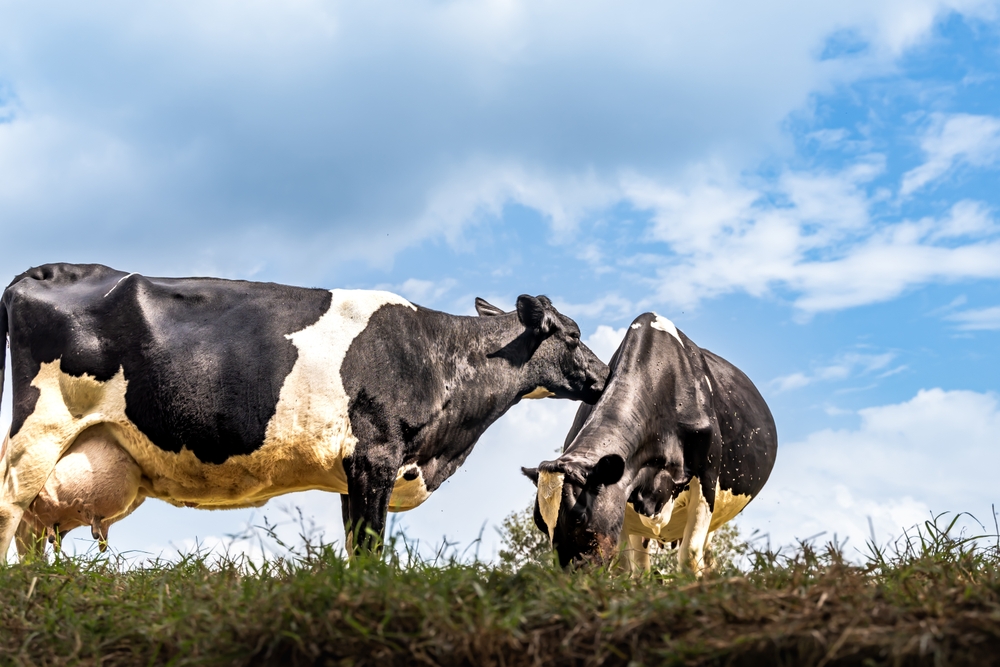
Source: Hoard’s Dairyman Mastitis poses significant challenges in dairy farming, particularly when it affects pregnant heifers during critical udder development phases. Infections during late gestation can damage developing mammary cells, leading to reduced milk production and compromised udder health. To mitigate these risks, it’s essential to monitor heifers for early signs of infection using methods like […]
read more
Source: Feline Fam Cats have unique preferences that, when catered to, can significantly enhance their well-being. Engaging in daily interactive play, such as using feather wands or laser pointers, satisfies their hunting instincts and prevents boredom. Providing high perches or cat trees allows them to survey their surroundings, offering a sense of security. Access to windows […]
read more
Source: Medscape A recent study published in Science reveals that mice display behaviors resembling human first aid, such as clearing the airways of unconscious peers. This adds to a growing body of research showing that many animals engage in self-medication or caregiving behaviors. For example, Matabele ants rescue and treat injured colony members, demonstrating triage-like decision-making. Great […]
read more
Source: Oklahoma Farm Report Oklahoma State University researchers are launching a new study to examine the spread and impact of the invasive Asian longhorned tick on Oklahoma cattle herds. Led by Dr. Rosslyn Biggs in collaboration with OSU Extension and the College of Veterinary Medicine, the study seeks 20–30 ranchers with about 20 cattle each to participate. Researchers will […]
read more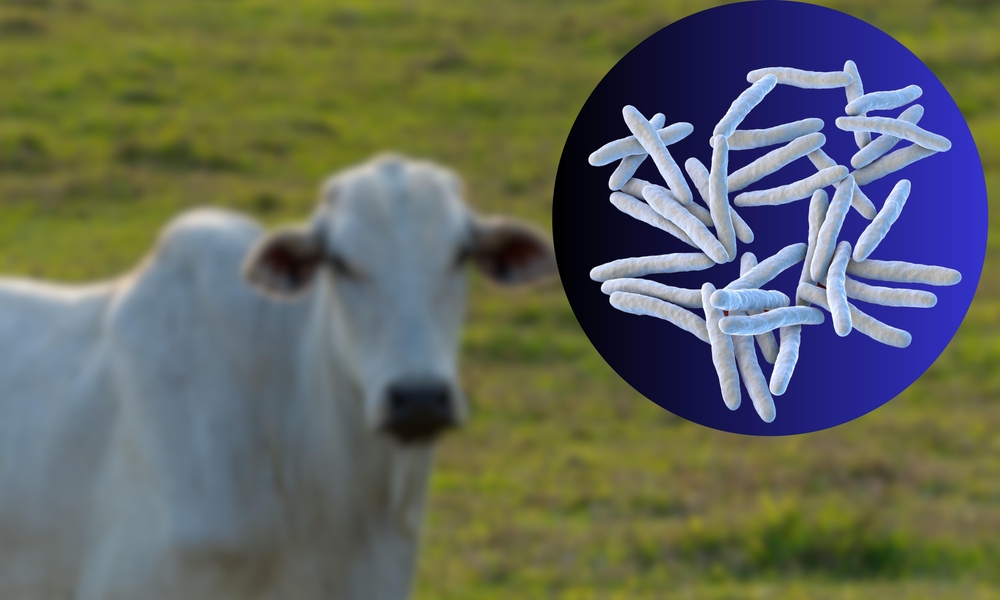
Source: Phys.Org A new study by researchers from University College Dublin, University of Edinburgh, and ETH Zurich has identified 115 genes linked to susceptibility to bovine tuberculosis (bTB), a disease caused by Mycobacterium bovis that affects cattle and can transmit to humans. Published in Communications Biology, the research offers critical insights into the genetic and immune responses that influence how […]
read more
Source: Pharma Biz Privo Technologies Inc., a leader in innovative drug delivery and cancer treatment, has launched a new subsidiary, BeneVet Oncology, to improve the health of companion animals. Leveraging Privo’s advanced human medicine technologies, BeneVet aims to address unmet needs in Veterinary care with a focus on safety, efficacy, and ease of administration. Initial research […]
read more
Source: AVMA Artificial intelligence (AI) is revolutionizing Veterinary medicine, as highlighted in the new AJVR supplemental issue, From Bark to Bytes: Artificial Intelligence Transforming Veterinary Medicine. This special edition, created in collaboration with the AVMA and the first Symposium on AI in Veterinary Medicine, explores how AI is already reshaping clinical care, research, and regulatory processes. It covers current and […]
read more
Source: Fox 5 Vegas Dr. Shawn Frehner, a Las Vegas veterinarian, remains missing after disappearing at Lake Mead on April 6, 2025. His unoccupied truck, containing his phone, wallet, and keys, was found at Hemenway Harbor. Frehner’s disappearance follows the circulation of a viral video allegedly showing him kicking a sedated horse during a procedure in Pahrump. The […]
read more
Source: 90.3 WPLN News Heather Schwartz, director of Veterinary services at the Nashville Zoo, is once again hand-raising a clouded leopard cub—a critical role in conserving this rare and difficult-to-breed species. Clouded leopards are challenging to breed due to size differences between males and females, aggression, and frequent maternal neglect. Schwartz, who hand-raised the cub’s mother, Niran, […]
read more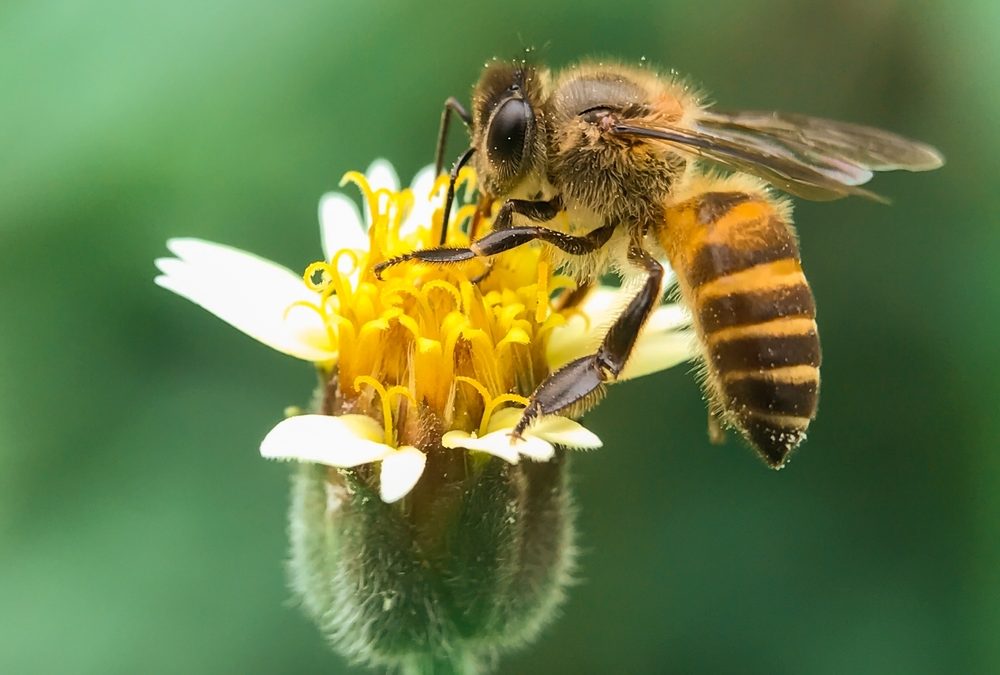
Source: Sask Today A two-year study by the University of Saskatchewan on honey bee health in canola fields is nearing completion, with encouraging early results. Conducted by researchers Emilio Tellarini Prieto and Marcelo Camilli, the study investigates the effects of pesticides—particularly neonicotinoids—used in canola production on honey bees. Though these insecticides are systemic and can affect nectar and pollen, the […]
read more
Source: Vet Candy The Veterinary industry is facing a post-pandemic downturn marked by declining revenue, fewer client visits, and economic pressure on pet owners. After a boom in demand during COVID-19, many practices are now struggling as inflation, job losses, and rising service costs make pet care less affordable. Wellness visits and preventive treatments, including vaccinations and […]
read more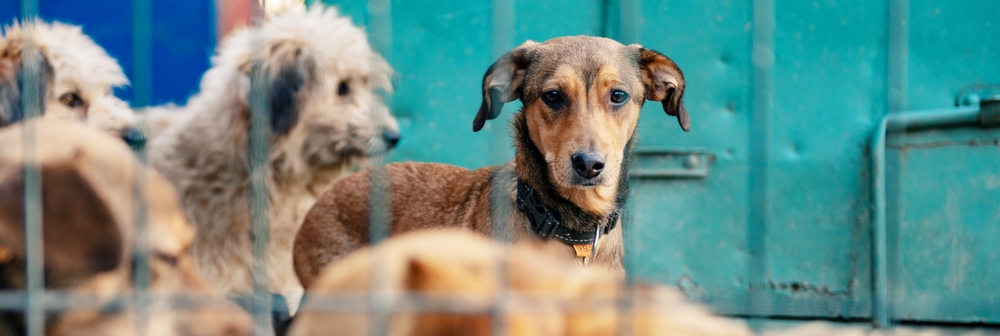
Source: The Review The Hancock County Animal Shelter in New Cumberland is using a creative approach to spotlight long-term shelter animals, focusing on Dude, an 80-pound shepherd-akita mix who has been at the shelter since May 2024. Despite being affectionate, playful, and good with dogs and older kids, Dude has yet to receive any adoption applications. Shelter staffer […]
read more