
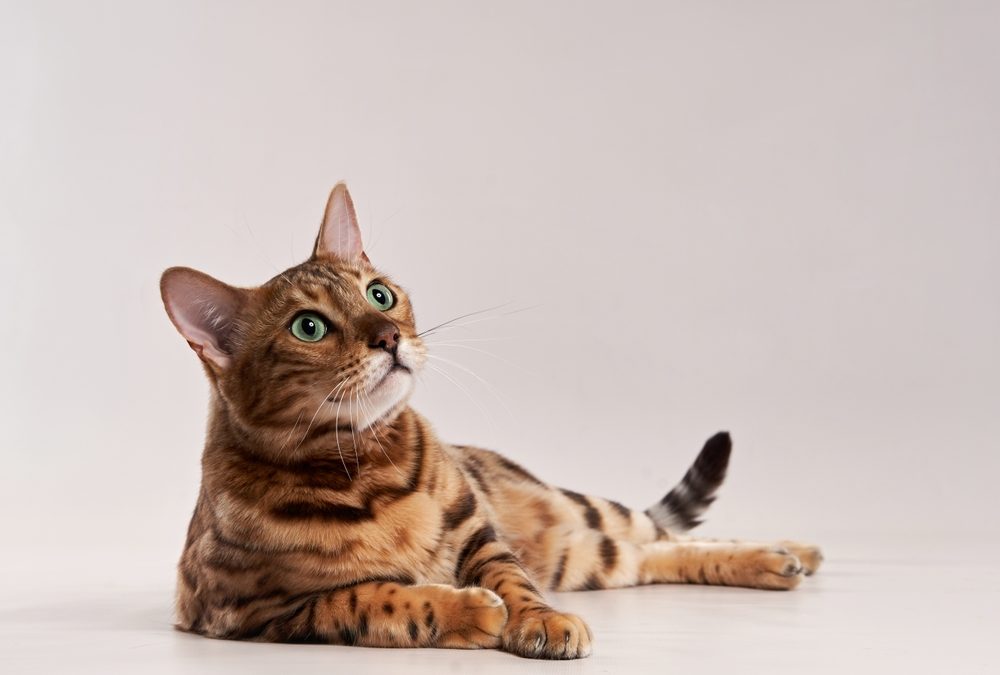
Source: Press Democrat
Scientists are increasingly studying the domestic cat’s meow as a form of communication specifically adapted for interactions with humans. Adult cats rarely meow at one another, although kittens meow to their mothers. Researchers believe domestication may have gradually shaped feline vocalizations to better capture human attention.
Studies suggest characteristics such as pitch and melody can provide clues about a cat’s emotional state. Downward-ending meows are often associated with stress or fear, while rising pitches may indicate more positive emotions. However, researchers have found no universal feline language that allows unfamiliar people to reliably interpret individual meows.
Instead, cats and their caregivers may develop personalized forms of communication. People living with particular cats are often better at recognizing what their vocalizations mean than strangers. Researchers are also studying how meows change during separation and reunion with caregivers. Rather than deliberately manipulating people, cats appear to learn which vocalizations produce desired human responses.
Read the full story HERE: https://www.pressdemocrat.com/2026/09/16/cats-meow-talk/