
There is no shortage of headlines telling us why working in animal welfare and Veterinary medicine feels harder than ever. Veterinary care continues to become more expensive. Shelters are caring for more animals with increasingly complex medical and behavioral needs. Families who desperately want to help are often less able to do so financially. Staff shortages persist, compassion fatigue is common, and “burnout” has become such a familiar word that it barely causes us to pause anymore.
As a profession, we’ve spent years talking about culture. We’ve discussed improving leadership, standardizing processes, investing in employees, creating psychological safety, and building healthier workplaces. I believe in every one of those strategies because they create lasting change. But lately, I’ve been wondering if we’ve made culture improvement feel so overwhelming that many teams don’t know where to begin. What if we started somewhere much smaller?
A Personal Reminder
A few months ago, I fostered two tiny puppies. Like most foster puppies, they completely disrupted my routine. My house was noisier, my schedule revolved around feeding, cleaning, and potty breaks, and my own animals were counting the days until they left. Thankfully, through two chance conversations with neighbors, each puppy found a wonderful home.
It should have felt like a moment worth celebrating. Instead, before the second puppy had even left my house, I was asked if I could take another litter.
This isn’t criticism of the rescue organization. The next puppies genuinely needed somewhere to go. What struck me was how quickly we, collectively, move on. In animal welfare, there is always another emergency, another surgery, another cruelty case, another family in need. We become so accustomed to solving the next problem that we rarely stop long enough to acknowledge the one we just got through.
The Culture of ‘What’s Next?’
Looking back on my years working in shelters, I realized I did the same thing. An adoption happened, and I was already focused on the cruelty case waiting for me. A complicated medical patient recovered, and my attention shifted to the next intake. An employee did something exceptional, but I was already thinking about tomorrow’s staffing schedule. It wasn’t that I didn’t care about these victories, but that by the time something good happened, my brain was already two critical problems ahead.
When I think about my time working in community Veterinary medicine, the pattern was no different. Even later, while working with Fear Free, we regularly heard from hospitals making meaningful improvements in the way they cared for patients. Teams were creating calmer visits, reducing fear, anxiety, and stress, and improving the experience for both pets and people. Yet many struggled to celebrate those accomplishments because they were already focused on the next initiative, the next challenge, or the next thing they wanted to improve.
Waiting for the Perfect Time
Many of us unknowingly fall into what I think of as “gold medal syndrome.” We’ll celebrate once things slow down. Once we hire another technician. Once we implement the new pricing structure. Once intake numbers decrease. Once staffing feels stable.
The problem is that “once” rarely comes. Animal welfare has never been a profession where the work simply stops. If we wait until everything feels manageable before allowing ourselves to recognize success, we’ll spend entire careers postponing celebration. In doing so, we unintentionally teach ourselves and our teams that the work is never enough.
The Wins Are Already Happening
Culture isn’t only shaped by the policies we write or the strategic plans we launch. It’s shaped by what we consistently acknowledge.
Did you get the vein on the first try, making a stressful procedure just a little easier for your patient? Did a longtime client excitedly bring in their new puppy after losing a beloved companion? Did a dog with chronic skin disease finally find relief after months of trying different treatment plans? Did a fearful cat willingly come to the front of the kennel for treats? Did we provide resources to someone thinking their only option was to surrender their pet?
These may seem like small moments, but they aren’t small to the animals or people experiencing them. More importantly, they are the moments that remind us why we chose this profession in the first place.
Celebration Isn’t a Luxury, It’s Reinforcement
One of the most effective ways to create lasting behavior change is through reinforcement. We understand this instinctively when working with animals, and we apply it when coaching employees. So why don’t we apply the same principle to ourselves?
Every time we intentionally recognize a success, whether it’s clinical excellence, teamwork, a happy adoption, or simply making one animal’s day a little better, we reinforce the behaviors and purpose we want to see more of. Celebrating wins isn’t pretending everything is okay. It isn’t ignoring staffing shortages, financial pressures, or the emotional weight this work carries. It’s reminding ourselves that progress exists alongside the challenges.
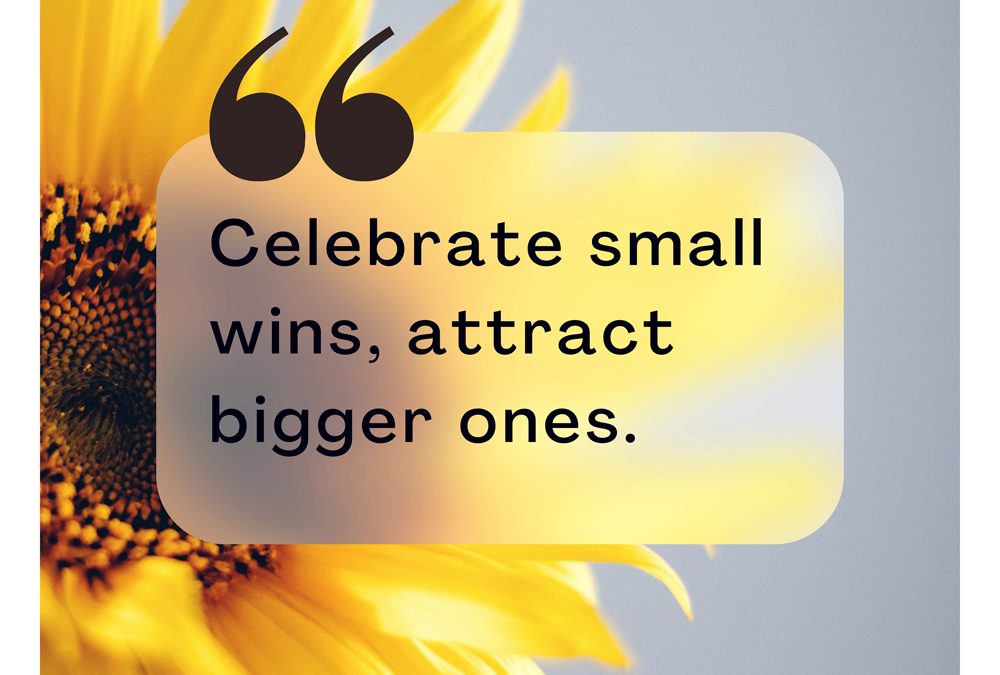
Maybe culture doesn’t always need another massive initiative, another committee, or another strategic plan. Maybe it starts with one simple question at the end of every day: What went well today?
If we can make celebrating wins part of our daily routine instead of something reserved for extraordinary moments, we won’t just improve morale. We’ll strengthen the very culture that keeps people connected to the reason they entered animal welfare in the first place, to make lives better for animals, one success at a time.