
Source: Popular Science
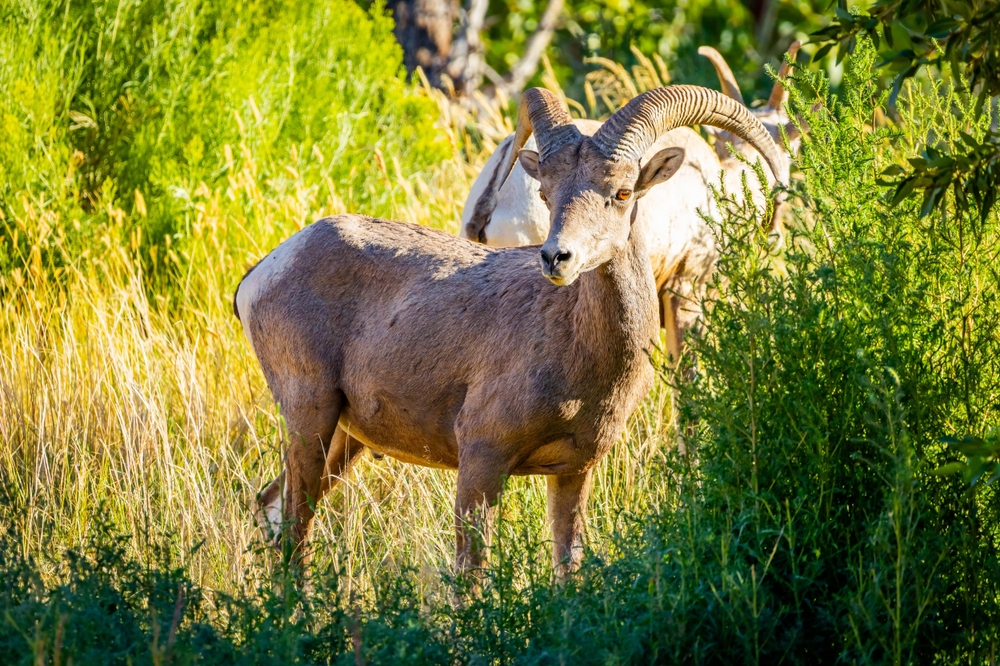
An invasive sheep species known as the aoudad, introduced to West Texas after World War II for hunting, is posing a serious threat to the state’s native bighorn sheep. New research published in Scientific Reports found that aoudads carry pneumonia-causing pathogens, including Mycoplasma ovipneumoniae, while often showing few or no symptoms themselves. In contrast, infected bighorn sheep suffer severe illness, with mortality rates reaching as high as 80%.
Researchers believe aoudads have evolved alongside these pathogens, giving them greater resistance than native bighorns. Today, Texas is home to an estimated 30,000 aoudads but only about 1,500 bighorn sheep. Beyond competing for food and habitat, aoudads also threaten commercial sheep and goats by spreading disease. Wildlife officials are adapting conservation strategies, including relocating healthy bighorns to areas less accessible to aoudads. Researchers emphasize that every aoudad should be considered a potential disease carrier, underscoring the urgent need for continued management and conservation efforts.
Read the full story HERE: https://www.popsci.com/environment/invasive-texas-sheep-making-bighorns-sick/