
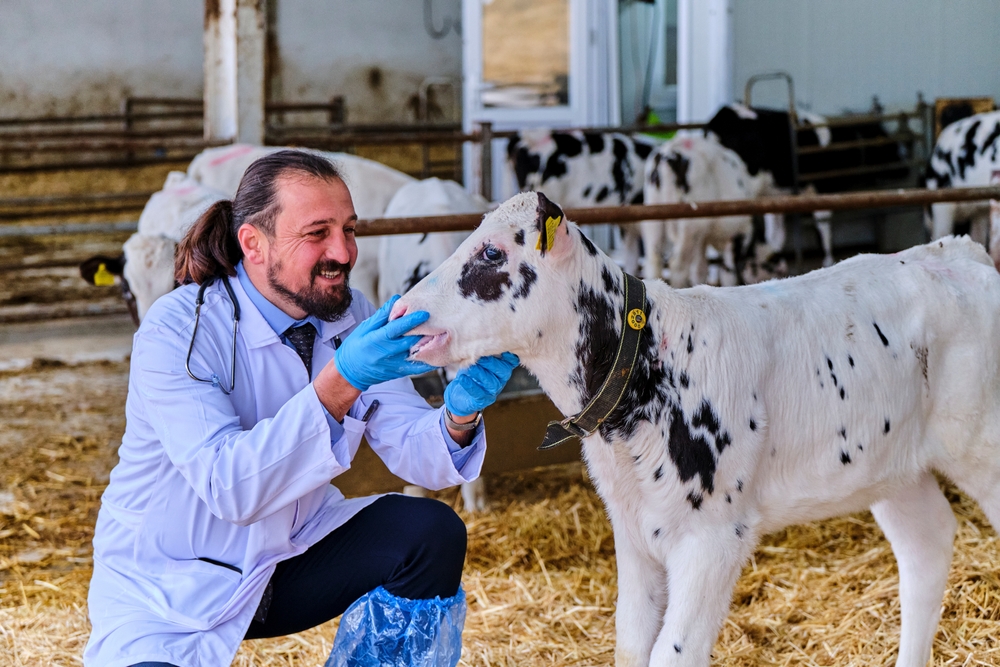
Source: VIN News
Rural communities across the United States continue to face a significant shortage of large animal veterinarians, creating ongoing challenges for livestock producers and animal owners. Lower salaries, long work hours, geographic isolation, limited mentorship opportunities, and heavy student debt make rural practice less attractive than companion animal medicine. In 2025, new food animal veterinarians earned an average starting salary of about $103,000, compared to more than $141,000 for companion animal veterinarians.
To address the gap, nearly half of U.S. states now offer loan repayment or forgiveness programs for veterinarians who commit to practicing in underserved rural areas, with many initiatives launched since 2020. Universities and organizations are also investing in scholarships, mentorship programs, rural practice certificates, and outreach efforts aimed at students as early as high school. Despite these efforts, shortages persist, leading educators and industry leaders to emphasize the need for comprehensive solutions that include financial incentives, stronger support networks, mentorship, and sustainable rural practice models.
Read the full story HERE: https://news.vin.com/default.aspx?pid=210&catId=612&Id=13304081