
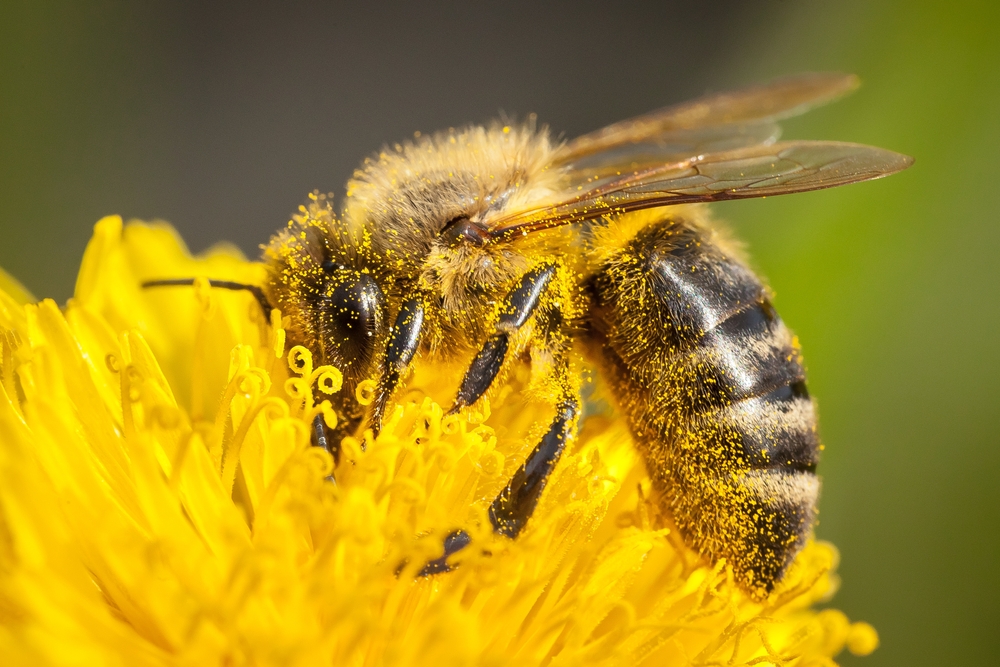
Source: Michigan State University
Honey bees can regulate hive temperature across a wide range of conditions, but extreme heat increases stress on colonies and changes their behavior. During hot weather, worker bees collect water, spread it inside the hive, and fan their wings to cool the brood nest through evaporation. Beekeepers can support colonies by maintaining reliable water sources, providing adequate hive space, keeping entrances fully open, and recognizing that “bearding”—clusters of bees gathering outside the hive—is a normal cooling behavior, not a sign of swarming. They should also check temperature restrictions before applying varroa mite treatments, as some products are unsafe in high heat.
Hot weather also poses risks to beekeepers. Wearing protective gear, lifting heavy hive boxes, and working in direct sunlight can increase the risk of heat illness. Experts recommend inspecting colonies during cooler morning or evening hours, staying hydrated, recognizing signs of heat stroke, working with a partner, and using cooling strategies such as shade, cooling vests, or air-conditioned breaks.
Read the full story HERE: https://www.canr.msu.edu/news/tips-for-honey-bees-and-beekeepers-in-hot-weather