
With summer rapidly in the rearview mirror, we look ahead to the fall and winter seasons to come. Colder weather brings dramatic weather events. Whether it is flooding, hurricanes, or a blizzard, in the aftermath, the true scale of a natural disaster reveals itself. Amidst the chaos, animal casualties and injuries rise rapidly. Local Veterinary clinics, often facing structural damage or staff shortages, are quickly overwhelmed.
This is where a major regulatory bottleneck appears: professional licensing is strictly state-by-state, meaning a highly qualified out-of-state vet cannot legally treat an injured animal across state lines without facing severe unauthorized practice penalties. In response, states are increasingly enacting emergency Veterinary laws to allow out-of-state practitioners to provide immediate, critical care. To bypass administrative hurdles without compromising public safety, states dynamically activate two primary legal mechanisms following an official disaster declaration.
The first pathway relies on customized emergency exceptions embedded directly within a state’s Veterinary practice act. Under this model, individual state Veterinary medical boards establish an expedited, fee-waived credentialing track that triggers solely during declared emergencies. Texas serves as a prime example of this mechanism through 22 Texas Administrative Code § 571.13. When the governor declares an official state of disaster, the Texas Board can immediately issue an emergency temporary license to any out-of-state veterinarian in good standing. This mechanism waives the standard state board examination and registration fees, granting a 120-day window of legal practice within the disaster zone. Similarly, Michigan utilizes a state-specific framework allowing out-of-state veterinarians and Veterinary technicians to practice for up to 90 days during declared crises, explicitly expanding the scope beyond weather events to include severe agricultural disease outbreaks and biosecurity threats.
The second, more standardized pathway is the Uniform Emergency Volunteer Health Practitioner Act (UEVHPA). Rather than forcing veterinarians to navigate unique rules for fifty different state boards, the UEVHPA is a piece of model legislation enacted across more than twenty states to standardize disaster credentialing across all health disciplines. When a UEVHPA state declares a disaster, it establishes an automatic interstate recognition system. If an out-of-state veterinarian is registered with an approved national database—such as the American Veterinary Medical Association First Responder Registry—and holds a valid license at home, they can legally practice in the disaster state immediately. States like California and Colorado rely heavily on the UEVHPA to instantly absorb waves of volunteer Veterinary personnel during catastrophic wildfires. Crucially, the UEVHPA provides uniform civil liability protections, shielding out-of-state volunteers from frivolous malpractice claims while operating in resource-depleted field hospitals.
Veterinary emergency mobility directly combats a severe, nationwide Veterinary labor shortage. Under normal conditions, many rural and agricultural communities operate with a deep deficit of Veterinary professionals. When a natural disaster devastates a region, internal resources cannot keep pace. Emergency licensing laws allow states to act as a sponge, legally absorbing waves of qualified, out-of-state volunteer Veterinary strike teams within hours of a crisis.
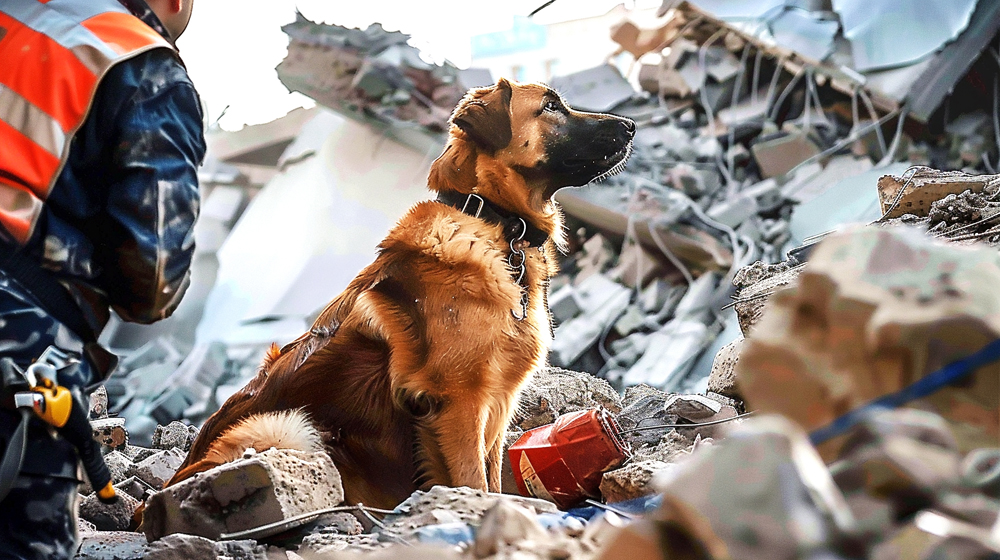
In addition, these laws protect the health of highly specialized working animals and search-and-rescue canines. Teams of FEMA dogs, police K9s, and equine units are routinely deployed into toxic, hazardous disaster environments. They face high risks of heatstroke, severe lacerations, and smoke inhalation. Emergency laws ensure that disaster veterinarians can operate legally right at the staging grounds, maintaining the operational readiness of these invaluable search assets.
Enacting these statutes establishes necessary legal protections for the brave responding veterinarians and technicians. Without explicit emergency waivers, a veterinarian or technician crossing state lines to help could face professional discipline and exposure to civil malpractice lawsuits. Modern emergency frameworks remove these fears by providing temporary credentials and robust liability shields, ensuring that legal anxiety never deters life-saving volunteer mobilization.
By bridging the gap between human and animal emergency management, these state laws ensure a fast, structured, and lawful response to unpredictable crises, protecting pets, families, and first responders alike.