

Source: Frederick News Post Veterinarians from South Mountain Equine veterinary clinic brought a “stuffy ER” to The Great Frederick Fair in Maryland, repairing children’s damaged stuffed animals while educating families about horses and Veterinary medicine. Dr. Justin Sobota created the event to draw visitors toward the fair’s horse area, which can receive less foot traffic […]
read more
Editor
Recent Posts

Source: Texas A&M A Texas A&M College of Veterinary Medicine & Biomedical Sciences study found that multiple chronic diseases can significantly shorten dogs’ lifespans. Researchers with the Dog Aging Project analyzed health information from more than 50,000 dogs and found that dogs with five or more chronic conditions were more than twice as likely to […]
read more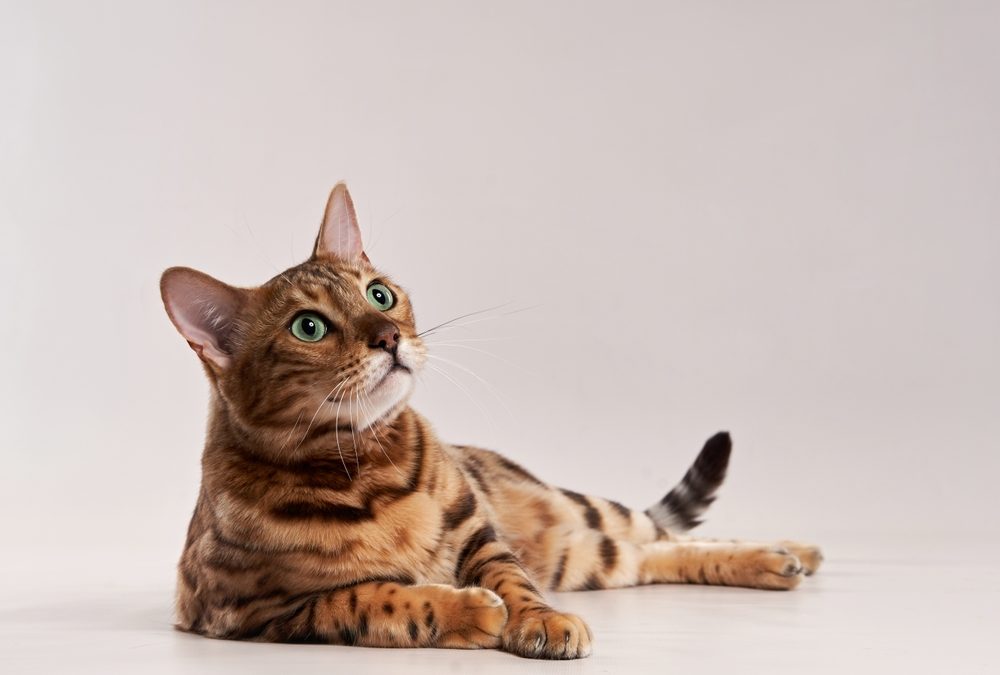
Source: Press Democrat Scientists are increasingly studying the domestic cat’s meow as a form of communication specifically adapted for interactions with humans. Adult cats rarely meow at one another, although kittens meow to their mothers. Researchers believe domestication may have gradually shaped feline vocalizations to better capture human attention. Studies suggest characteristics such as pitch […]
read more
Source: News 9 One month after being found starved, shot twice in the head, and abandoned along an Oklahoma City-area road, a French bulldog named Mango continues making remarkable progress. A witness reportedly saw Mango thrown from a vehicle in August and rescued her from the roadway. Mango weighed approximately 12 pounds, less than half […]
read more
Source: New Channel 5 Caudle Veterinary Clinic in East Nashville voluntarily closed after questions emerged about the licensing status of a veterinarian who allegedly performed procedures there. The closure followed a report about a dog that died hours after surgery and concerns raised by another pet owner, Jocelyn Vines. Vines said her senior dog, Gill, […]
read more
Source: Decor Hint North Carolina State University’s College of Veterinary Medicine in Raleigh combines advanced Veterinary care, research, education, and wildlife conservation on its 250-acre Centennial Biomedical Campus. The facility operates what the article describes as the world’s only Veterinary gerontology program and was the first veterinary college to offer clinical canine bone marrow transplants. […]
read more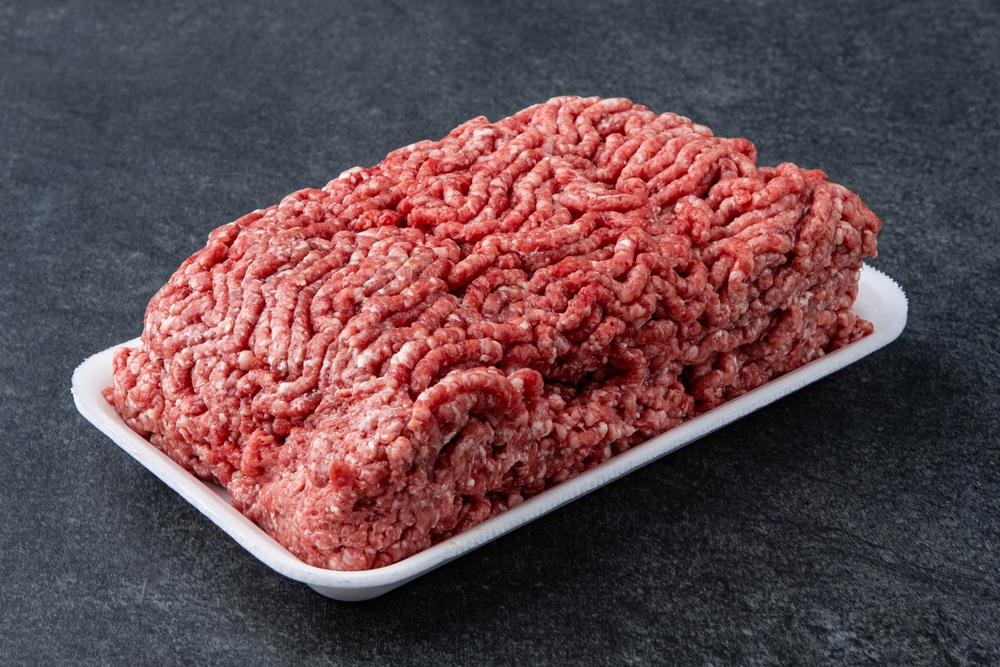
Source: Feedstuffs The Meat Institute has raised concerns about President Donald Trump’s executive order directing the government to explore mandatory country of origin labeling for beef. The organization argues that the United States previously tried mandatory COOL before Congress repealed the requirements for beef and pork in 2015. According to the Meat Institute, the previous program created substantial implementation […]
read more
Source: PR Newswire Nutramax Laboratories is expanding its A Different Way to CE continuing education conference for Veterinary professionals to two annual events following record registration of more than 2,000 attendees in 2026. The fall conference will take place October 17 through 20, 2027, at the Gaylord Opryland Resort and Convention Center in Nashville. A spring conference will follow […]
read more
Source: United States Attorney’s Office A Texas couple has been sentenced for operating a website that sold smuggled, unapproved Veterinary drugs and pesticides nationwide. Thao Duong of Garland received three months in prison, two years of supervised release, and forfeited more than $1.5 million. Her husband, Lam Mai, received two years of probation. Beginning around 2011, Duong sold animal care […]
read more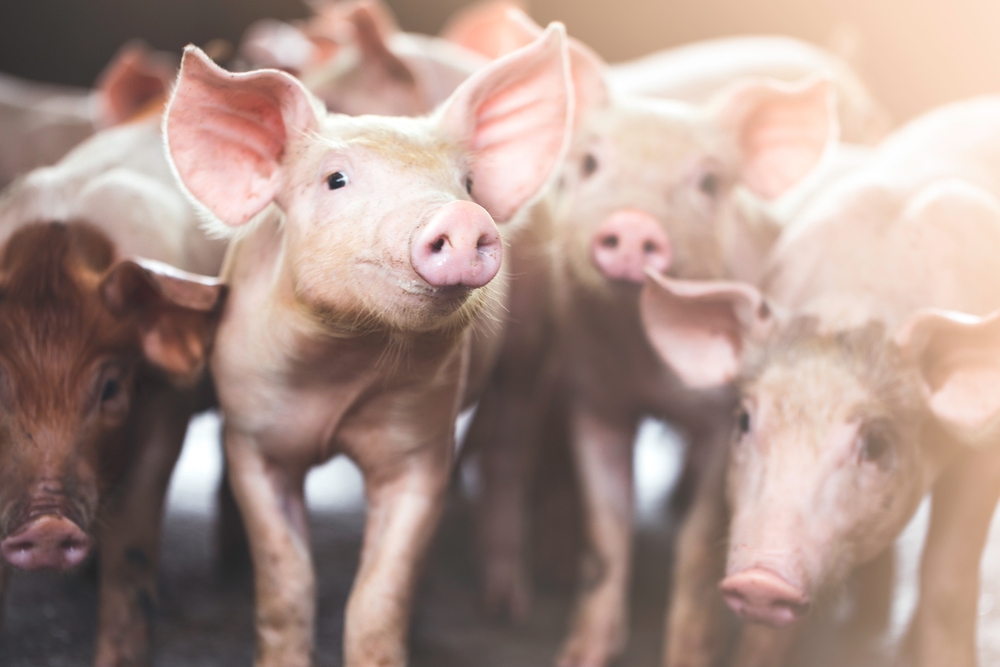
Source: National Hog Farmer The Swine Health Information Center will integrate into the National Pork Board by the end of 2026 following approval from both organizations’ producer-led boards. The transition is intended to preserve SHIC’s capabilities for identifying and responding to emerging swine disease threats while aligning them more closely with broader industry health priorities. SHIC’s existing work in […]
read more
Source: VIN News The American Veterinary Medical Association Council on Education faces potential changes despite the dismissal of a federal lawsuit challenging its role as the only Veterinary education accreditor in the United States and Canada. Lincoln Memorial University alleged anticompetitive practices and conflicts arising from AVMA’s roles as both a professional association and accreditor. The case was dismissed […]
read more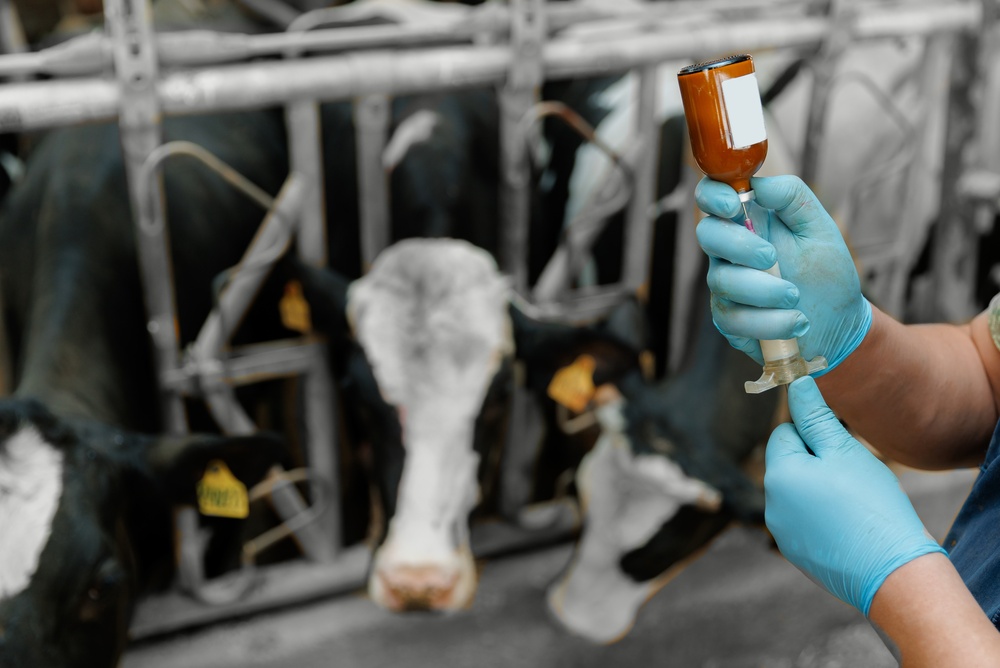
Source: Auburn University Auburn University’s College of Veterinary Medicine will play a significant role in the new Auburn University Health Transformation Collaborative, an eight-college initiative supported by a $15.3 million Alabama state allocation. The collaborative aims to improve rural health while developing professionals prepared to serve rural communities. Auburn Vet Med will contribute a One Health approach […]
read more
Source: Discover Magazine Three rock hyrax pups named Russ, Spud, and Jackie were born in late summer at Chester Zoo to parents Maris and Albert. The energetic pups, which keepers affectionately describe as “little chaos potatoes,” have begun exploring their habitat and practicing climbing skills. Each weighs about 350 grams and has successfully passed its first Veterinary examination. Despite their […]
read more
Source: WIBW Fourteen police K-9s from law enforcement agencies across Kansas competed in the third annual K-9 Games at the Stormont Vail Events Center in Topeka. The event showcased the skills and training of working dogs while raising money for Special Olympics Kansas. Each K-9 competed alongside its regular handler in three events designed to test speed, agility, and […]
read more
Source: 12 on your side The U.S. Department of Agriculture plans to distribute millions of oral rabies vaccine baits across parts of the Southeast during October 2026. The annual program is designed to prevent raccoon rabies from spreading westward by creating a continuous vaccination barrier among wildlife populations. Four projects will distribute approximately 2.46 million fishmeal coated […]
read more
Source: Farm Talk News The Rural Veterinary Workforce Task Force is marking five years of efforts to strengthen the supply and retention of veterinarians serving rural Kansas. The coalition includes livestock, agriculture, Veterinary, and university organizations concerned about access to routine and emergency animal care. From 2020 through 2025, the task force mapped 446 large and mixed animal […]
read more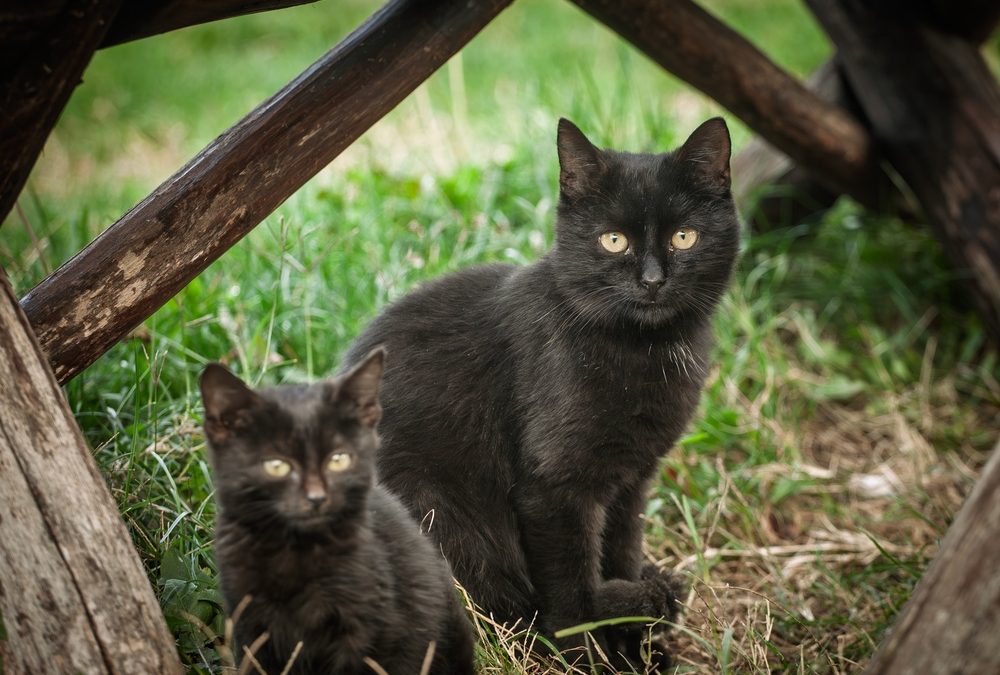
Source: Kake Veterinarians in Wichita, Kansas, are warning cat owners about a cluster of Feline Panleukopenia Virus cases after at least 15 cats reportedly died from the highly contagious disease. Christy Fischer of the Wichita Animal Action League said the virus can spread easily and kill vulnerable cats within 24 hours, particularly kittens, under-vaccinated cats, and immunocompromised animals. The virus […]
read more
Source: Yahoo! Creators Pets can provide meaningful mental health benefits by creating routine, encouraging activity, reducing loneliness, and giving owners a sense of responsibility and purpose. Mental health professionals say caring for an animal can help people focus beyond anxious thoughts while providing motivation to get out of bed, leave home, and interact with the […]
read more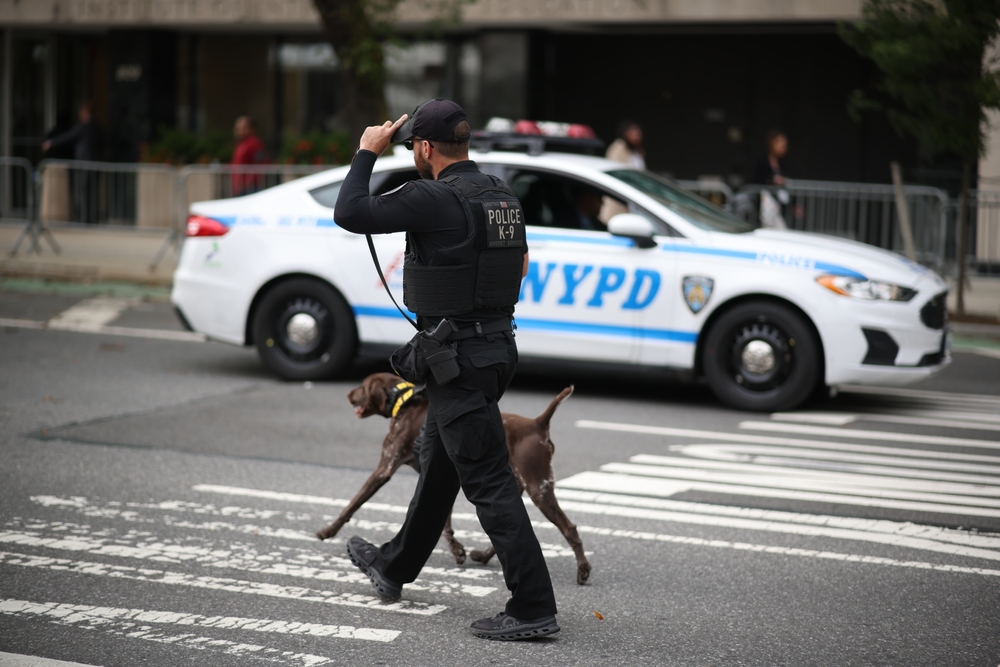
Source: ABC News More than 300 search-and-rescue dogs served at ground zero following the Sept. 11, 2001 terrorist attacks, helping locate victims while providing comfort to first responders. NYPD K-9 officer Robert Schnelle and his dog Atlas arrived shortly after the first plane struck and continued working 12-hour shifts through May 2002. As rescue efforts became a recovery […]
read more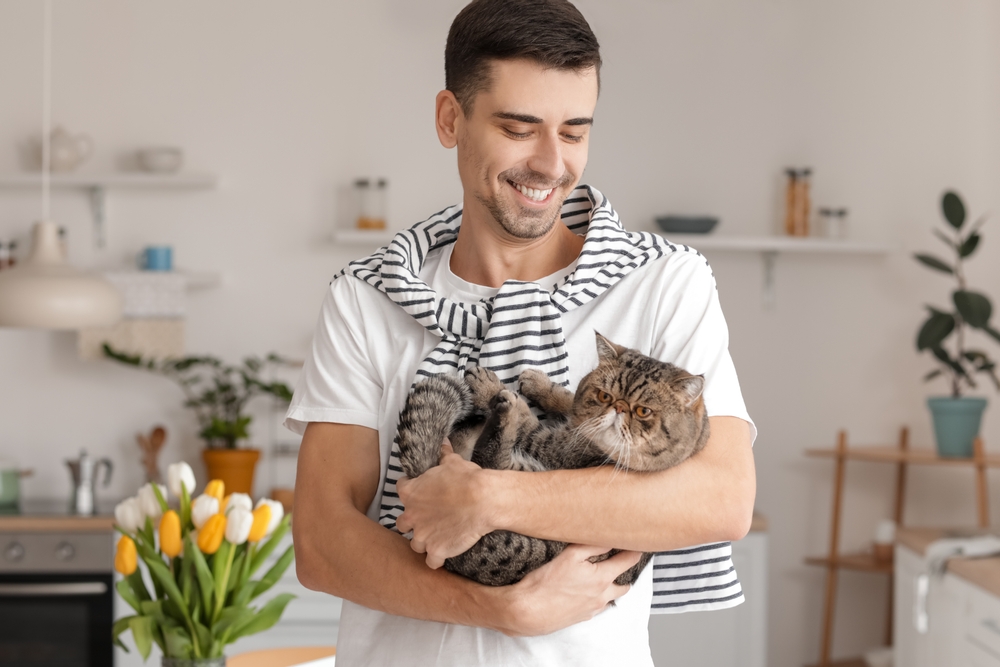
Source: Pet Age The American Pet Products Association’s 2026 Cat Report shows U.S. cat ownership continuing to expand, driven largely by Gen Z and male owners. In 2025, 53 million U.S. households owned cats, representing 39% of households and a 5% increase from 2024. Multi-cat households are also rising, with ownership of three or more cats up […]
read more