

Source: Vet Practice Magazine Veterinary professionals are increasingly expected to support not only animals, but also the emotional, financial, and social needs of their clients—a responsibility that contributes significantly to stress and burnout. To address this challenge, Australian nonprofit Veterinary and Community Care (VaCC) is piloting a program that integrates trained social workers into Veterinary practices. Backed […]
read more
Editor
Recent Posts

Source: The News & Observers A recent North Carolina animal cruelty case is drawing attention to the legal responsibilities of pet owners to obtain necessary veterinary care. A Raleigh man faces felony animal cruelty charges after authorities allege he declined emergency surgery recommended for his pregnant dog, resulting in the deaths of her unborn puppies. Under North […]
read more
Source: PBS News Veterinary care costs have risen approximately 60% since 2014, prompting increased scrutiny of the growing role of private equity in the profession. A recent PBS News Hour report examines how private equity firms and large corporations have rapidly acquired veterinary practices, with corporate ownership growing from about 10% of clinics a decade ago to an […]
read more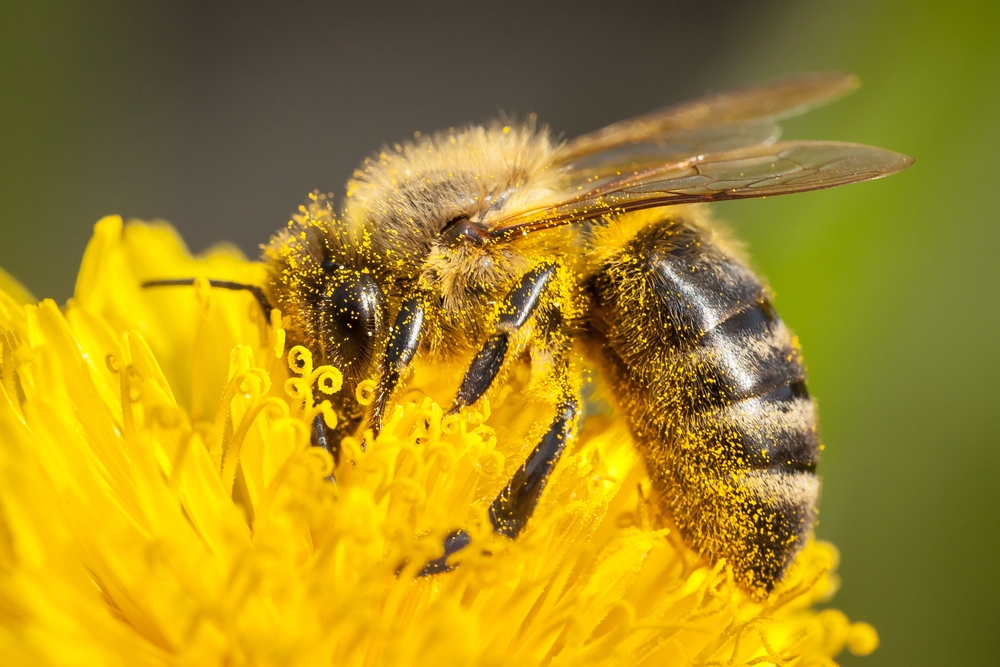
Source: Michigan State University Honey bees can regulate hive temperature across a wide range of conditions, but extreme heat increases stress on colonies and changes their behavior. During hot weather, worker bees collect water, spread it inside the hive, and fan their wings to cool the brood nest through evaporation. Beekeepers can support colonies by maintaining […]
read more
Source: AP News The CDC is urging Americans to protect themselves from mosquito bites as West Nile virus season has started earlier and more intensely than usual. As of June 30, 2026, the agency confirmed at least 48 cases, including 38 severe infections—far above the typical average of about 10 cases reported by the end of June. The virus has […]
read more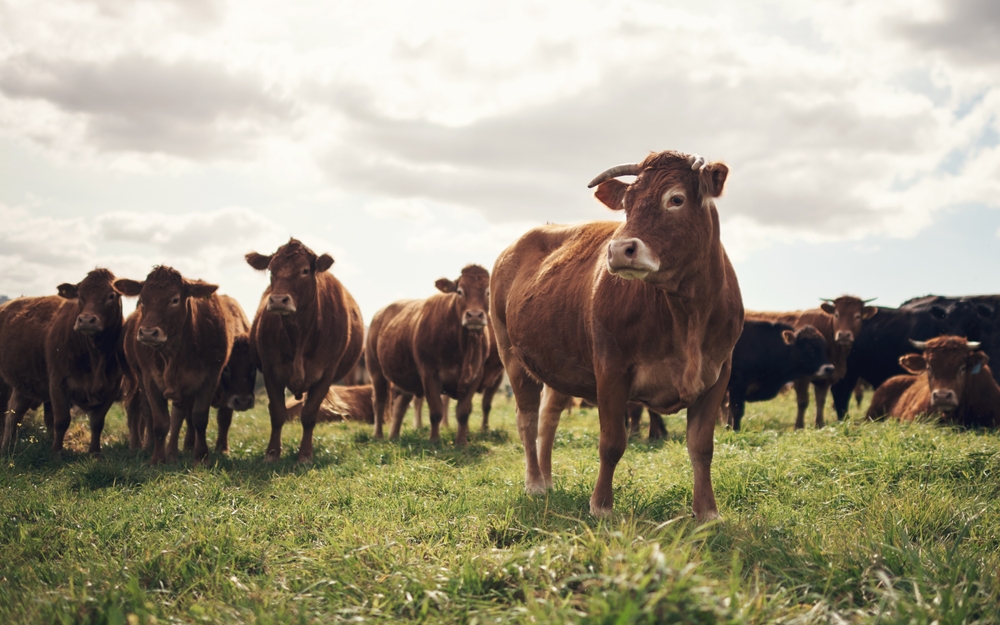
Source: Bovine Veterinarian Bovine viral diarrhea (BVD) remains one of the most costly diseases affecting cattle, yet misconceptions often weaken prevention efforts. Although its name suggests otherwise, diarrhea is uncommon, with reproductive losses, respiratory disease, and immune suppression being the primary concerns. Experts emphasize that vaccination is highly effective at reducing disease but cannot eliminate BVD […]
read more
Source: Kentucky Equine Research Electrolytes play a vital role in maintaining hydration, muscle contraction, nerve function, and fluid balance in horses. Sodium, chloride, potassium, calcium, and magnesium are lost through sweat, urine, and feces, with heavy exercise and hot, humid conditions increasing these losses. Because horse sweat is highly concentrated with electrolytes, deficiencies can lead to […]
read more
Source: Kentucky Equine Research A survey of German horse owners found that even short-distance transportation of less than two hours can cause significant stress and health problems for horses. Of the 258 respondents who completed the survey, one-third reported behavioral issues such as fear, aggression, reluctance to load, rearing, and flight responses, with problems occurring most often during loading […]
read more
Source: Popular Science Researchers have discovered that pigeons can accurately detect subtle signs of lung disease in CT scans, offering insights that could improve artificial intelligence tools for medical imaging. In a recent study, six pigeons were trained to distinguish scans with lung nodules from normal scans, achieving impressive accuracy and successfully identifying abnormalities in previously unseen […]
read more
Source: Vet Help Direct Taylor & Francis has published the first Plain Language Summary of Publication (PLSP) in Veterinary research, marking a significant step toward making scientific discoveries more accessible to a wider audience. Published in the journal Veterinary Quarterly, the summary explains research identifying a genetic change in the SLAMF1 gene that increases a dog’s risk of developing canine atopic […]
read more
Source: Catalyst Council The CATalyst Council’s new white paper argues that U.S. Veterinary practices should expect little or no growth in clinical visits through 2030, challenging the industry’s assumption of an annual 2% to 3% increase. The report attributes five consecutive years of declining visits to changing pet demographics, particularly a sharp decline in new puppy visits […]
read more
Source: AAHA A new framework for assessing dog bite risk could improve how veterinarians, behaviorists, and legal authorities evaluate potentially dangerous dogs. Instead of relying on brief, stressful behavioral tests conducted in unfamiliar environments, researchers at the University of Lincoln propose adapting structured professional judgment methods used in human forensic psychology. The approach considers multiple factors, including […]
read more
Source: NY Post A California commercial pilot has filed a lawsuit against the Sheraton Denver Downtown Hotel after allegedly being bitten by a bat that entered his hotel room during a swarm in August 2025. Staying in Denver for work training, he awoke around 2:30 a.m. to bats flying throughout his room. Hotel maintenance removed some bats but allegedly […]
read more
Source: NY Post An 11-year old boy from Northern Ontario, Canada, died of rabies after waking to find a bat on his face while sleeping, highlighting the importance of seeking medical care after any direct bat contact. According to a case report published in the Canadian Medical Association Journal, the child showed no visible bite marks or […]
read more
Source: National Hog Farmer Texas is expanding its response to the New World screwworm following federal funding approved through a cooperative agreement between the U.S. Department of Agriculture’s Animal and Plant Health Inspection Service and the Texas Animal Health Commission (TAHC). The funding will allow TAHC to hire 15 temporary employees, including 10 field inspectors as well as emergency […]
read more
Source: PR Newswire The North American Pet Health Insurance Association (NAPHIA) reports continued growth in pet insurance adoption, with 7.6 million pets insured across the United States and Canada in 2025. The number of insured pets increased 9 percent in the United States and 3.9 percent in Canada compared to the previous year. Despite this growth, the organization says a significant […]
read more
Source: PR Newswire A new 2026 Lovet Checkup Report highlights the growing financial challenges facing pet owners despite their strong commitment to their animals. The survey found that 91 percent of pet owners would be willing to go into debt to save their pet’s life, yet 46 percent delayed or skipped Veterinary care during the past year […]
read more
Source: USDA The U.S. Department of Agriculture’s National Agricultural Statistics Service (NASS) reports that the U.S. hog and pig inventory totaled 73.7 million head as of June 1, 2026, a slight decline from both June 2025 and March 2026. Of the total inventory, 67.8 million were market hogs and 5.88 million were breeding animals. Despite the modest […]
read more
Source: Gizmodo Researchers are urging the World Health Organization to classify toxoplasmosis, caused by the parasite Toxoplasma gondii, as a neglected tropical disease to increase research funding and public health efforts. The parasite infects an estimated one third of the global population and about 10 percent of Americans, typically spreading through contaminated cat feces, undercooked meat, unsafe water, or […]
read more
Source: WLKY VEG ER for Pets has opened its first Kentucky location in St. Matthews, bringing a unique 24/7 Veterinary emergency care model that allows pet owners to remain with their animals throughout treatment, including overnight hospitalization. The facility features dedicated sleeping accommodations for owners, reflecting the hospital’s belief that pets recover better when their families are nearby. According […]
read more